Pass It On: 5 days in Venda

‘Take one and pass it on’ your teachers hands nudge you to pass on the stack of papers she just gave you. As the paper moves from one pair of hands to the next, and as we take what we need and pass on the rest.


Today’s class has ten students: Tinyiko Makwakwa, Yonela Makoba, Chuma Adam, Khanyisa Brancon, Swaline Mkhonto and Katleho Habi, Mukondi Mushiana, Tandaza Simama, Kholofelo Tema and Muofhe Manavhela.
Today’s class has 6 teachers: Noria Mabasa, Rebecca Matibe, Avhashoni Mainganye, Hendrick Nekhofhe, Meshack Raphalalani and Mukondeni Pottery Village.


Today’s lesson is knowledge sharing, material collection and historic awe, we took from each what we needed,


So now we pass it on to you.

Cutaways from Venda

Vho Avhashoni Mainganye

Vho Mainganye is what best I can describe as an experimental artist, that sustains a grasp of material knowledge across all mediums. Working in varying mediums, from collage, to printmaking, painting, and work with natural earth material, Vho Mainganye’s work is effortless.

Avhashoni Mainganye Venda Art

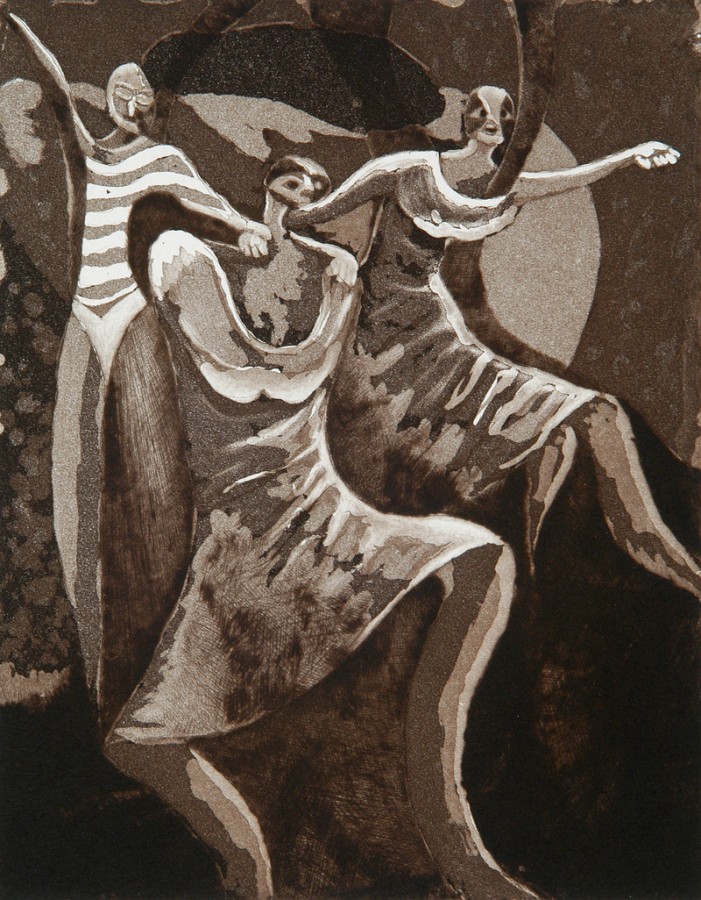
Daughters of the Earth II by Avhashoni Mainganye

Socially, we observe from our time with him that Vho Mainganye positions himself as a mentor to a lot of young Venda artists, holding a lot of indigenous knowledge on the artists of the land. This is aided situationally as his workspace takes on the Thohoyandou Arts Centre.

In this space, we are taken through an array of works, boasting a multitude of Venda artists, in a multitude of material expression.

Vho Hendrick Nekhofhe

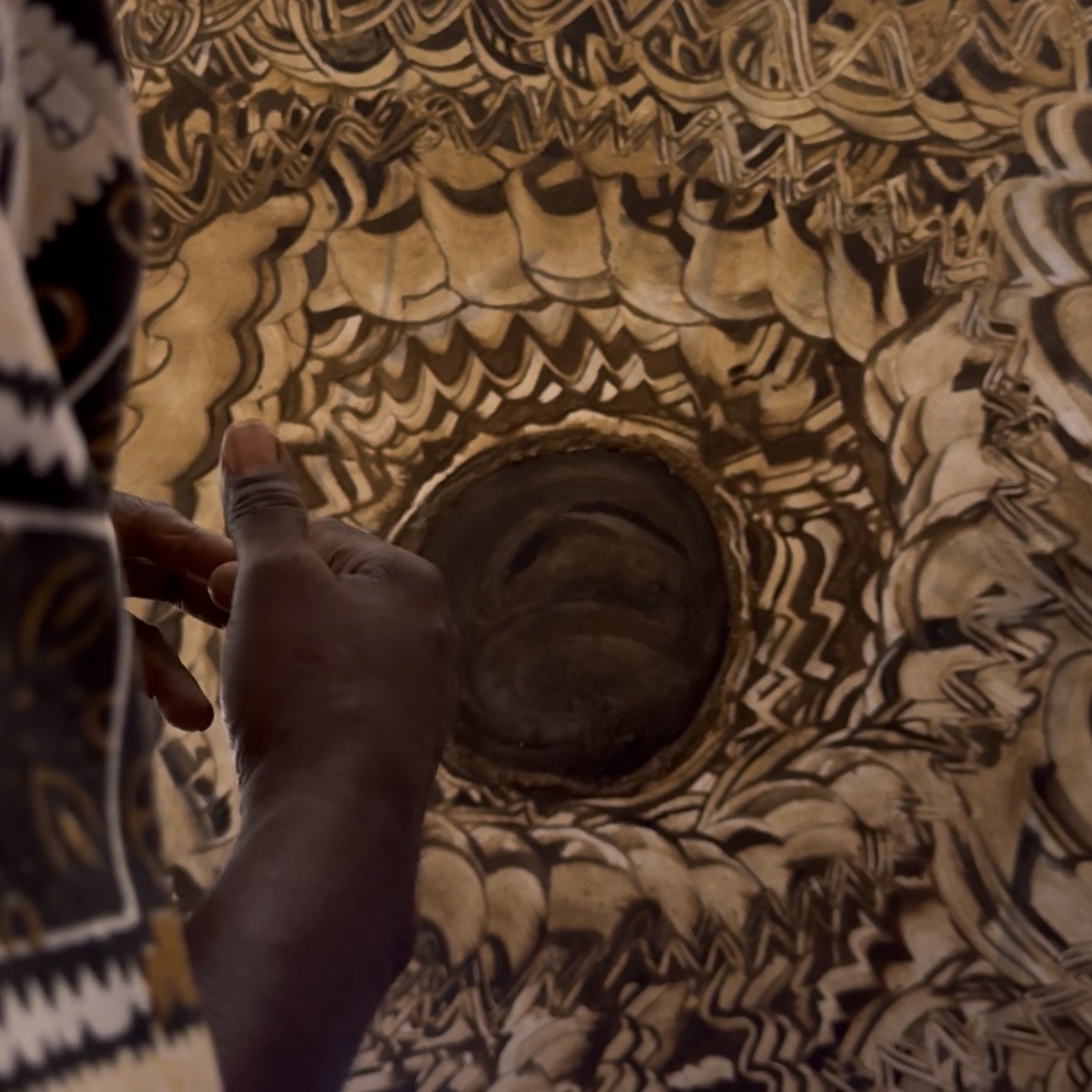
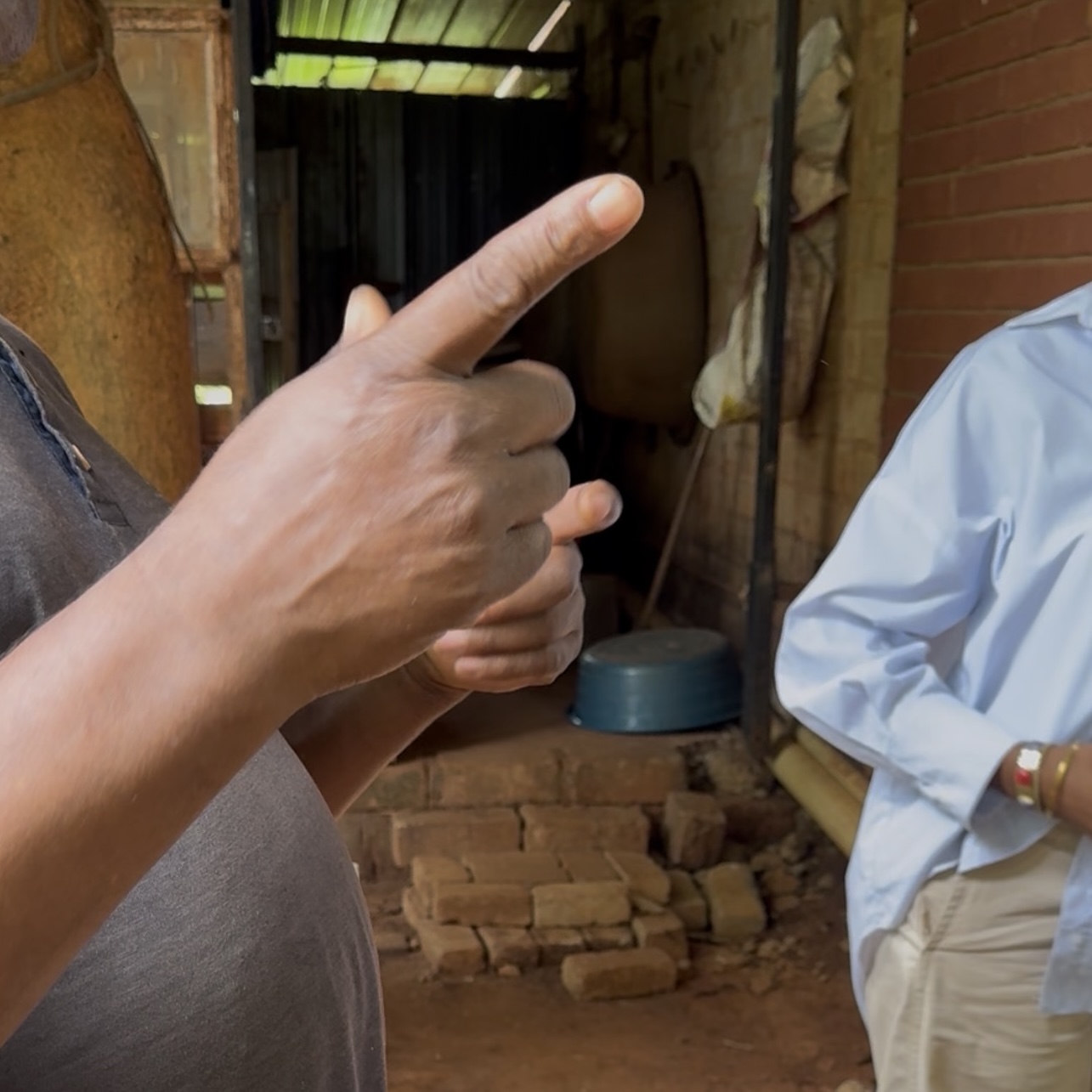
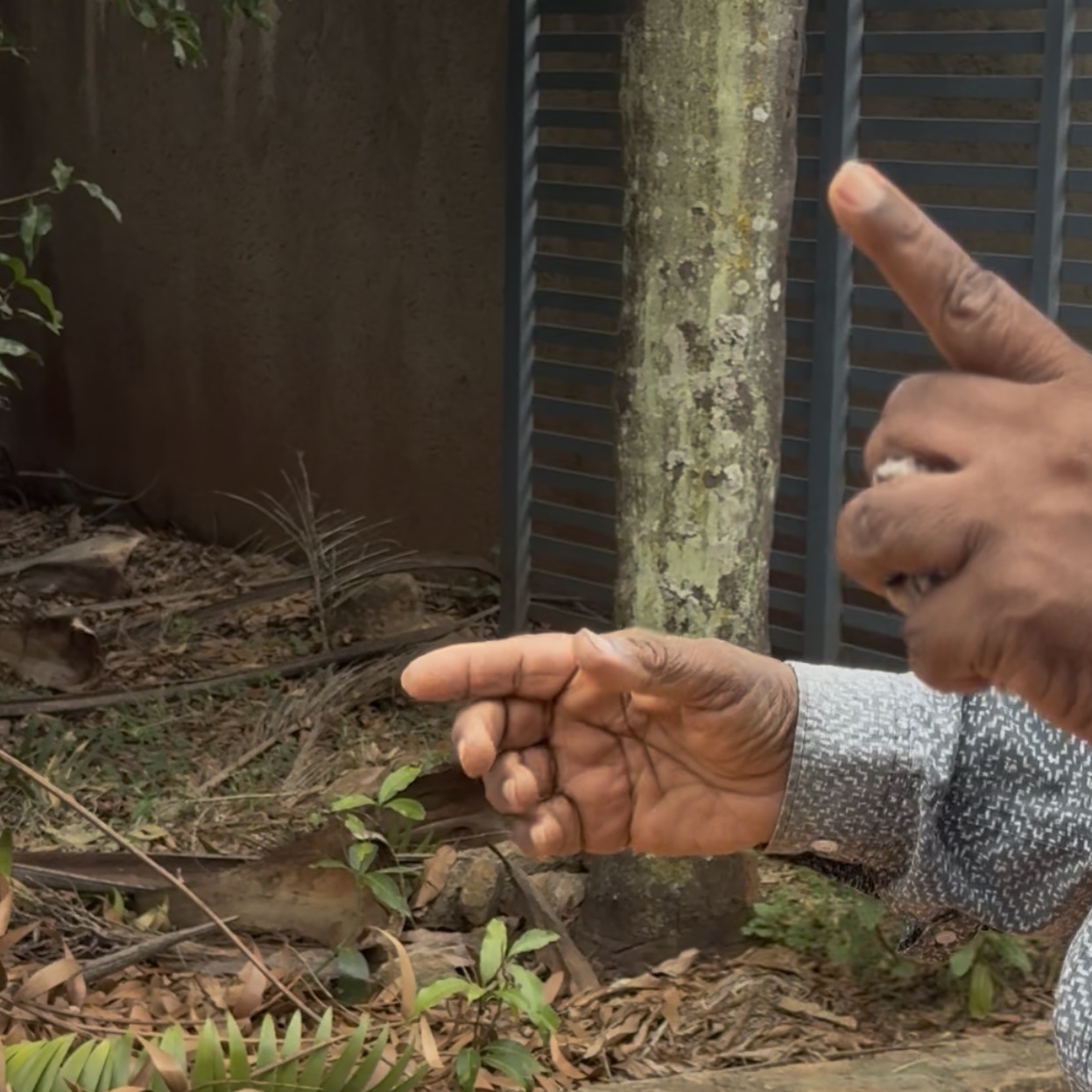
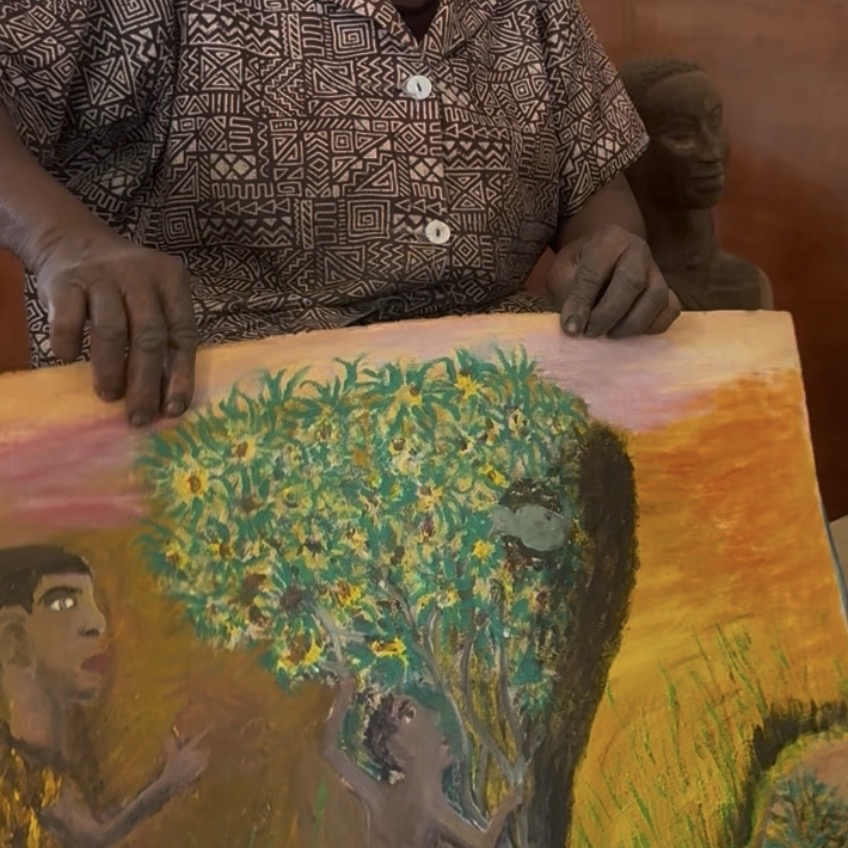
Avhashoni Mainganye Venda Art The hands of Vho Avhashoni Mainganye talking through his cow dung painting artwork Avhashoni Mainganye Venda Art

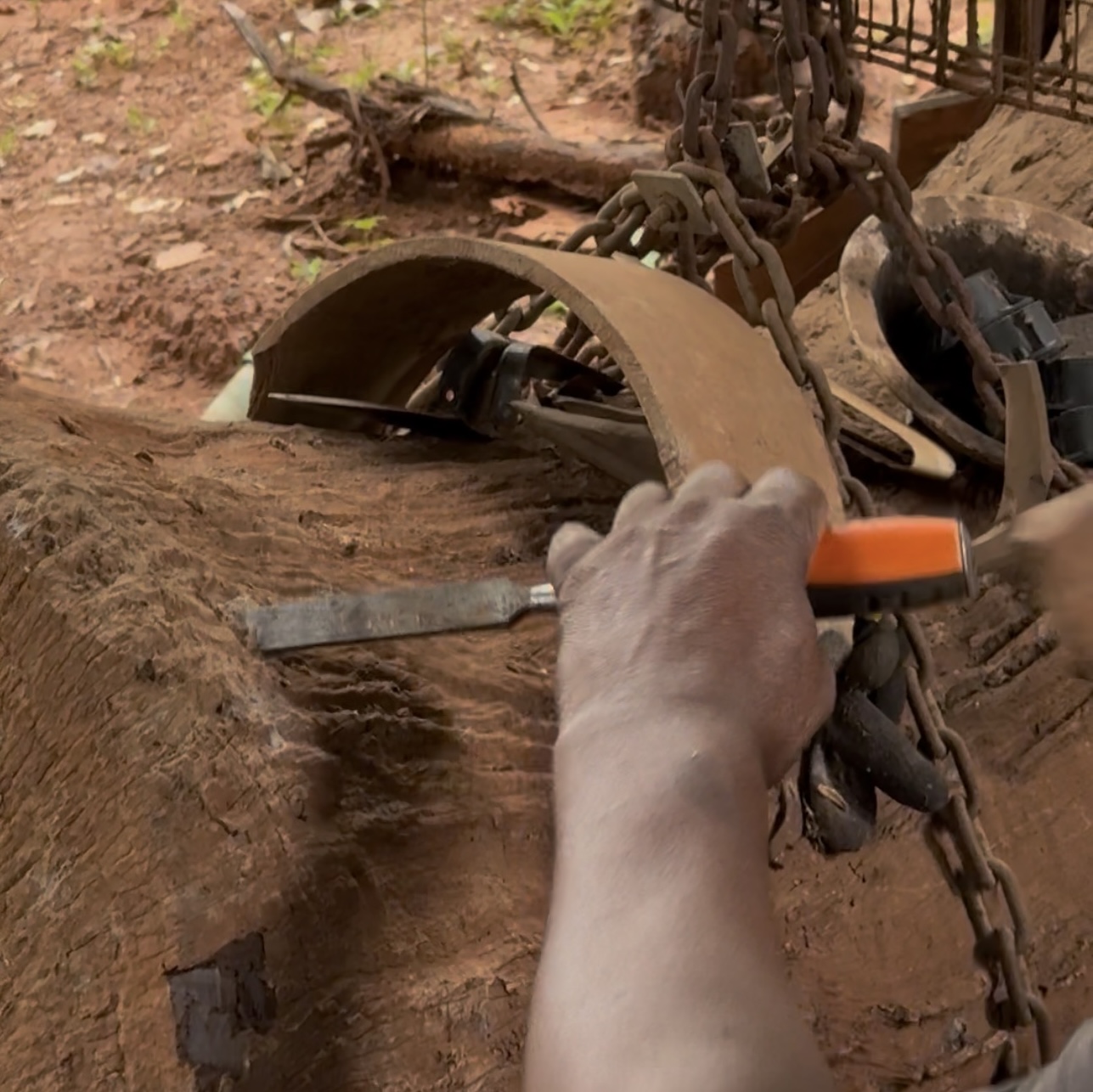
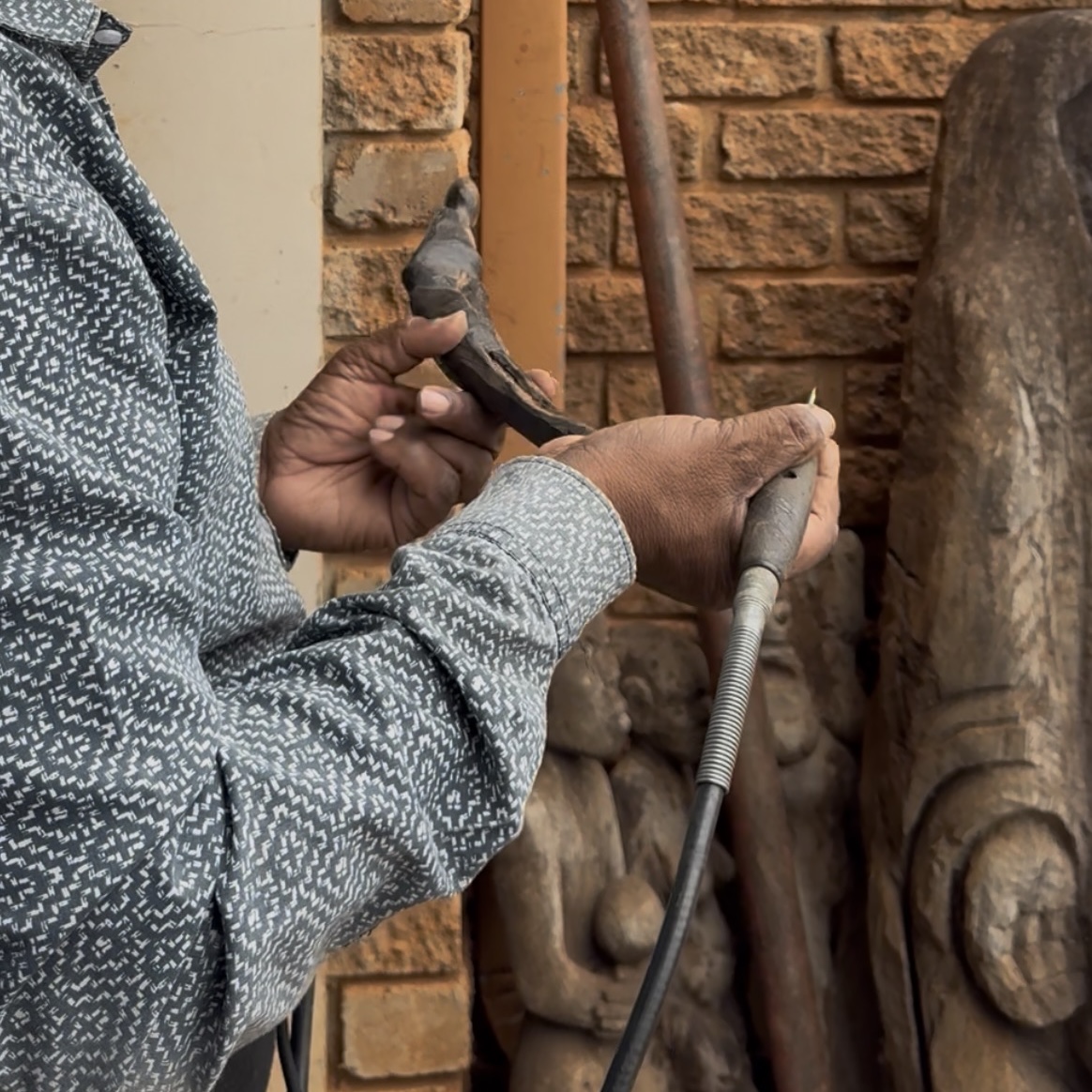
Vho Nekhofhe works with materialities of wood. Carving stories and histories, he also has a very poetic approach to studio. We spent the majority of our time with Vho Nekhofhe in a relational poetry about the role of the artist.

Vho Nekhofhe reminded us about legacy, as if he strives for it in his practice. The biggest  takeaway from our interaction with him was this constant reminder about the responsibility of an  artist to translate idea into the physical.  

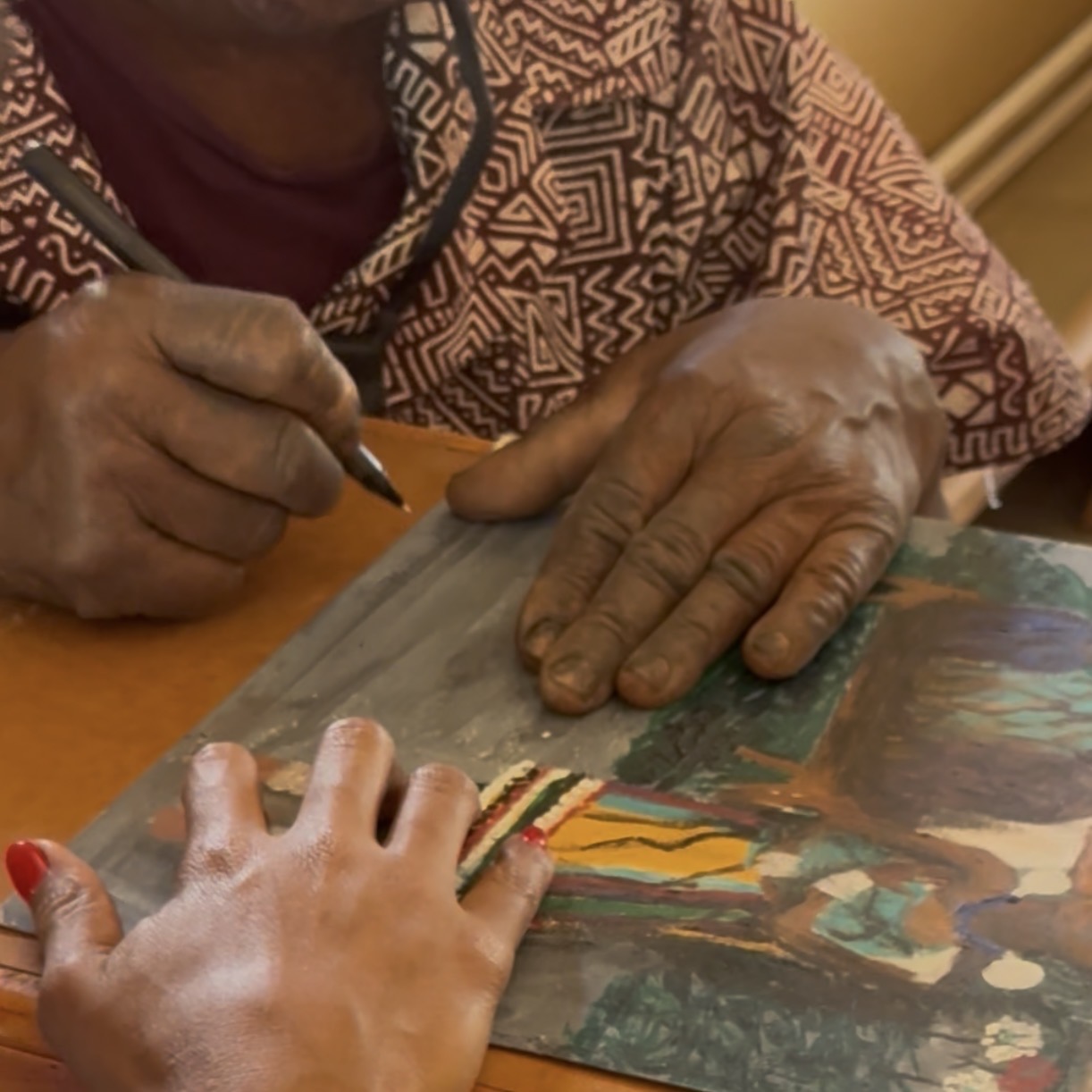
One of the works Vho Nekhofhe brings out is this wood carved totem pole that depicts a  multitude of cultural stories along each phase of the totem pole. We spend a while discussing this  artwork as he starts to paint the cultural practice each imagery depicts.

Hendrick Nekhofhe Venda Art Hendrick Nekhofhe Venda Art Hendrick Nekhofhe Venda Art
The hands of Vho Hendrick Nekhofhe 

Vho Meshack Raphalalani

Vho Raphalalani greets us with cross-cultural conversations, sharing a wealth of knowledge  regarding words and their meanings outside of the Venda culture. This is our first engagement  before we take a walk through his majestic garden.

Venda Art

The ancestral calling

One of the engagements we have with him is about the experience of being an artist pre-1994,  the censorship surrounding that and the trials that came with having your work be policed. We are  reminded in this story the wonderful privilege it is to have access to this wealth of experience in  our masters.  


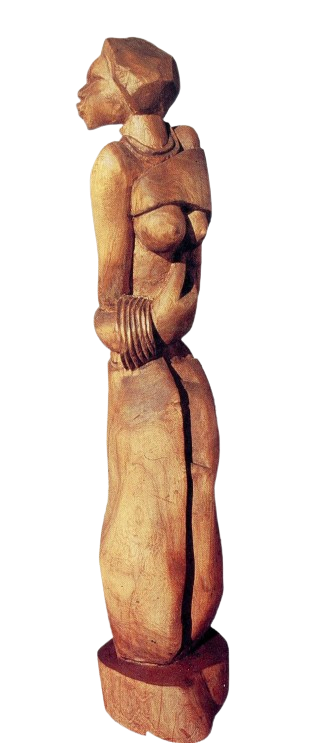
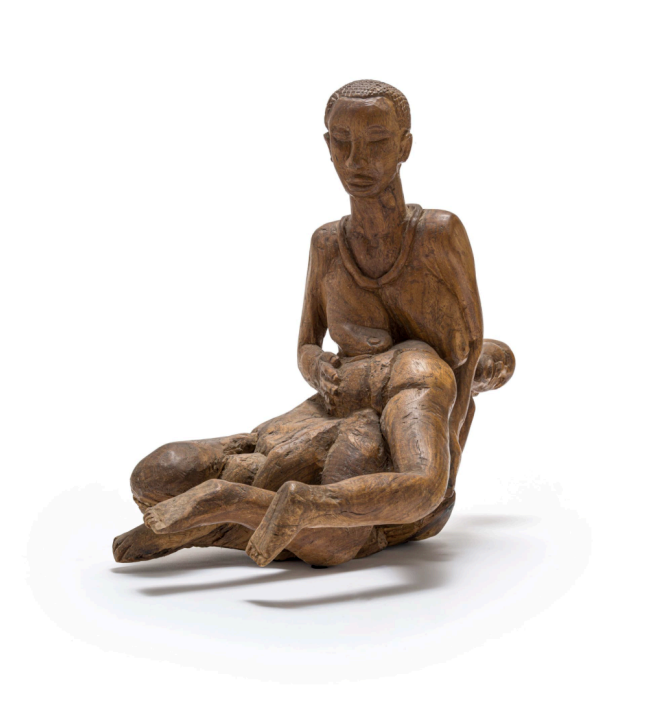
Vho Raphalalani works with woodcarving, carving different physical forms and sculptural postures  with the suggestion of the wood he finds. Some of the pieces he shows us, sit outside in the  garden, taking form of the outside, moss and mushrooms growing around it. And some of the  work he shows us, sits inside a storeroom, polished and grandeur.

Meshack Raphalalani Venda Artist Meshack Raphalalani Venda Art
The hands of Vho Meshack Raphalalani 

Vho Rebecca Matibe 

Vho Rebecca Matibe lives in a sustainable life cycle, she says, her self is always in motion, when  she’s not making art she is farming. The conversation with Vho Matibe settles on practice, and  practice location. In the many ways she shows us that her life is perfectly curated, her home, her  space, her movements, are aligned with the space she has built – we begin to question back how  we can imitate that in our own practices.

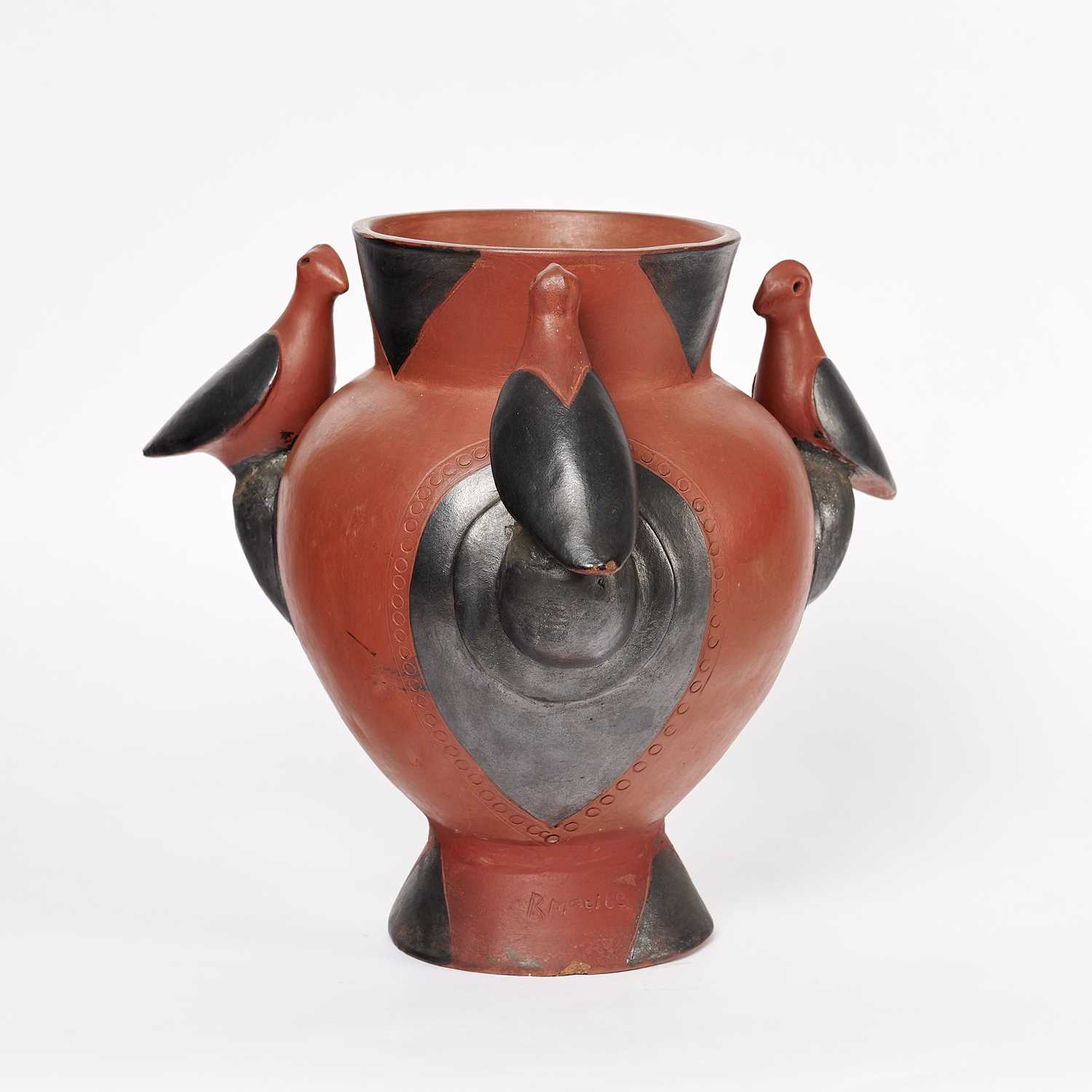
Rebecca Matibe Vessel Pottery made of graphite and mud clay

Vessel with Three Birds

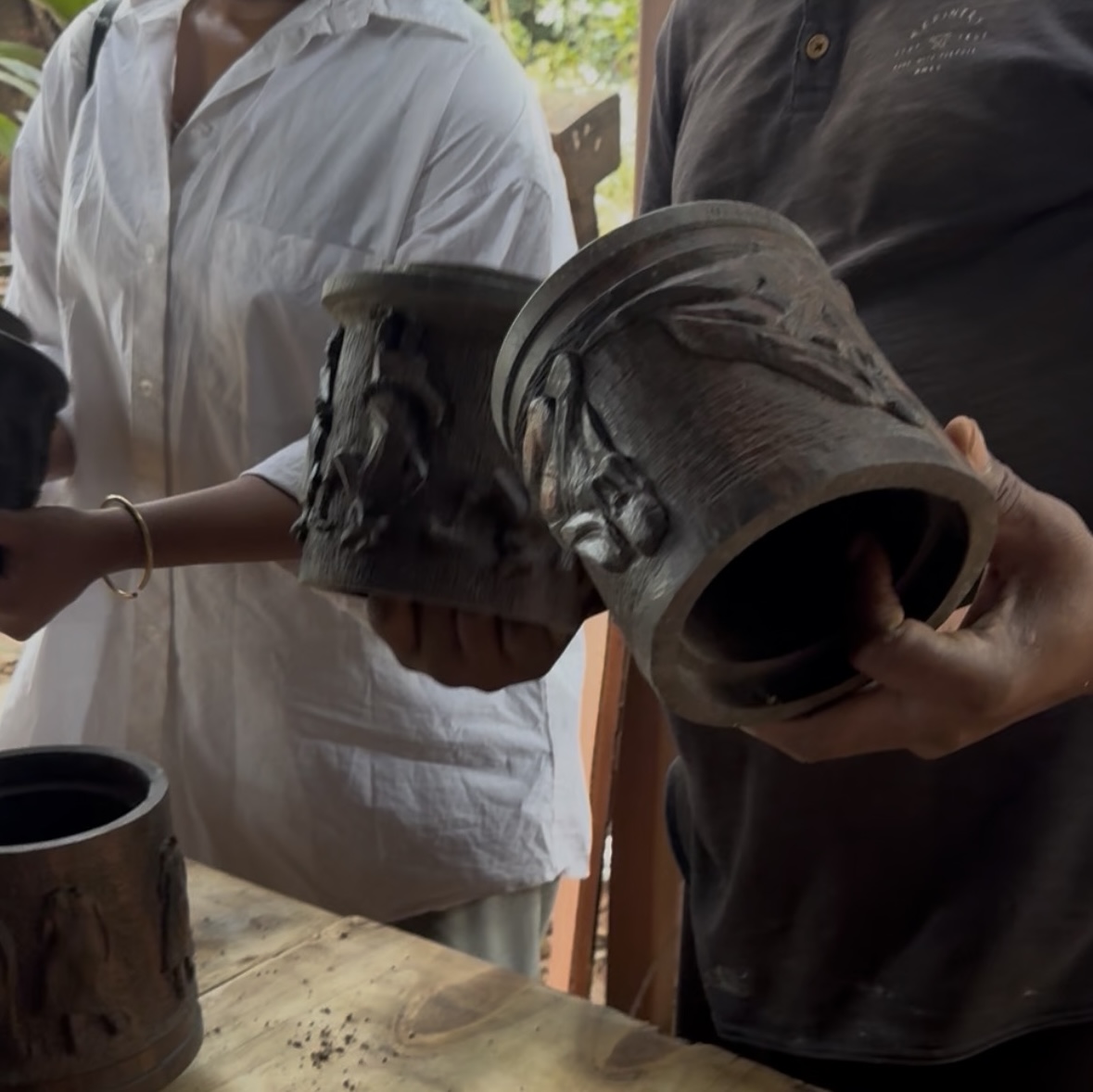
Vho Matibe works with clay medium to make ceramic vessels. She borders her work on form,  function and aesthetic, as she presents all three to you in a well-shaped, smooth, ceramic that  you know you need in your space. That is the beauty of her work, and is reflected in the way she  articulates her desires for us.  

With Vho Matibe, she spent a large effort of the conversation reaffirming our work, our individual  dreams, desires and practices, as she gave space to all of use to tell her what we do. 

Hands of Rebecca Matibe Rebecca Matibe Venda Artist
The hands of Vho Rebecca Matibe 

Vho Noria Mabasa

Vho Noria Mabasa has an incredible sense of self-awareness and worth. She values herself in  ways that are mesmerising, she further trusts herself, her practice and the way it is given to her  through dreams, in a way that is affirming.

Noria Mabasa Venda Art

The Hiding

Vho Mabasa is a sculptor and woodcarver who works from dreams. She trusts the visions she gets and executes them between these two mediums. The observation in her material composition being made of elements she can find from her surrounding landscape, further emphasises something we have seen across Venda.

Noria Mabasa Venda Art Noria Mabasa Venda Artist
The hands of Vho Noria Mabasa

Mukondeni Pottery Village

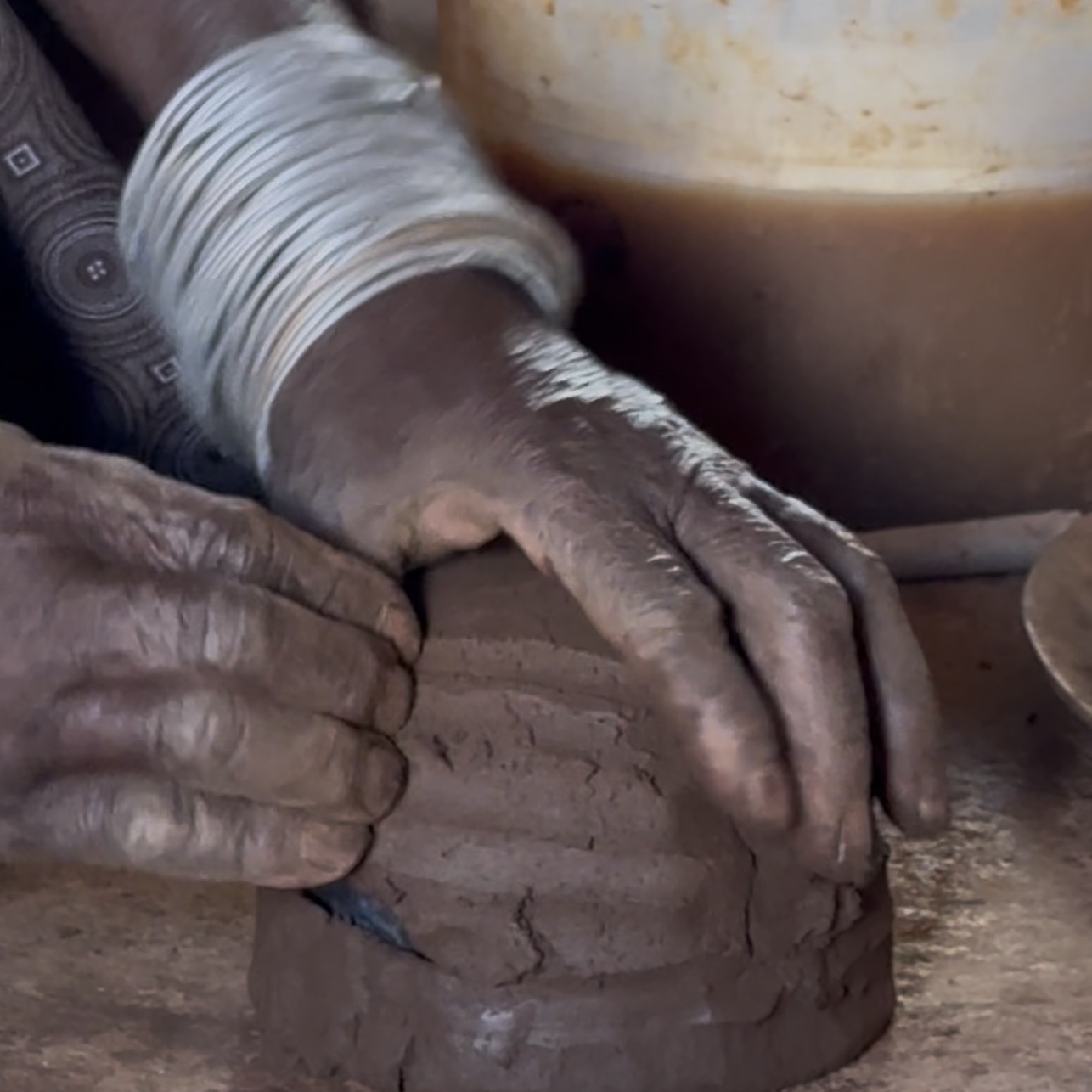
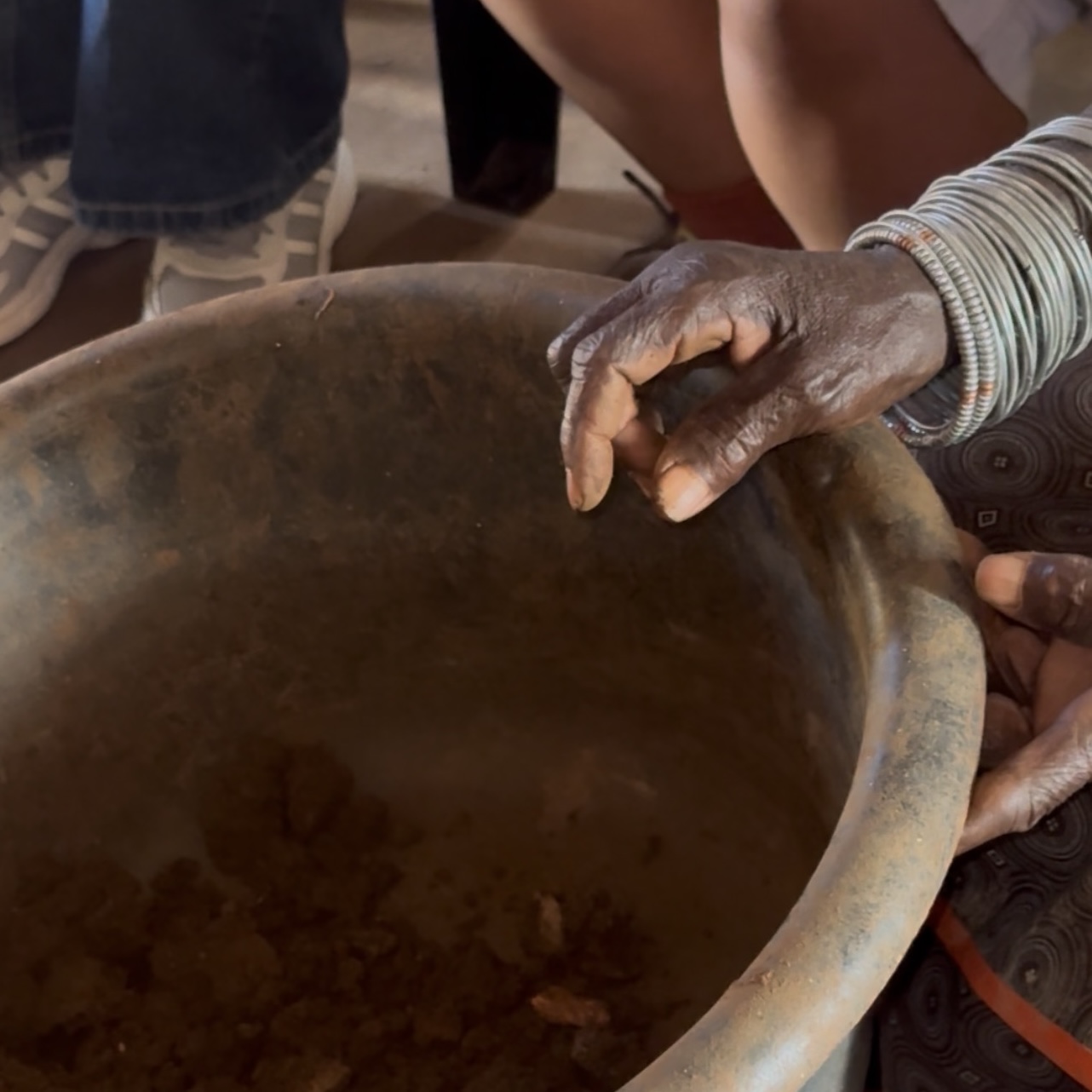
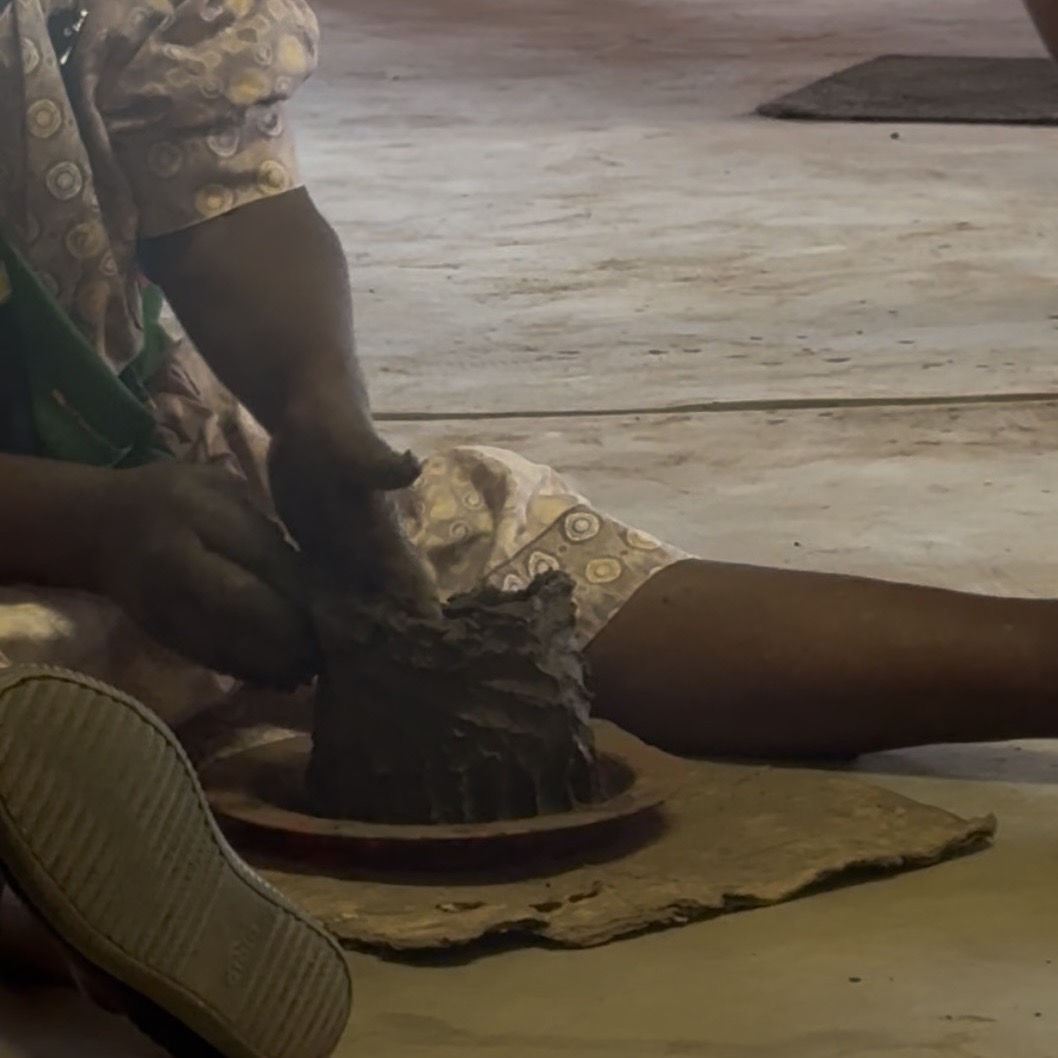
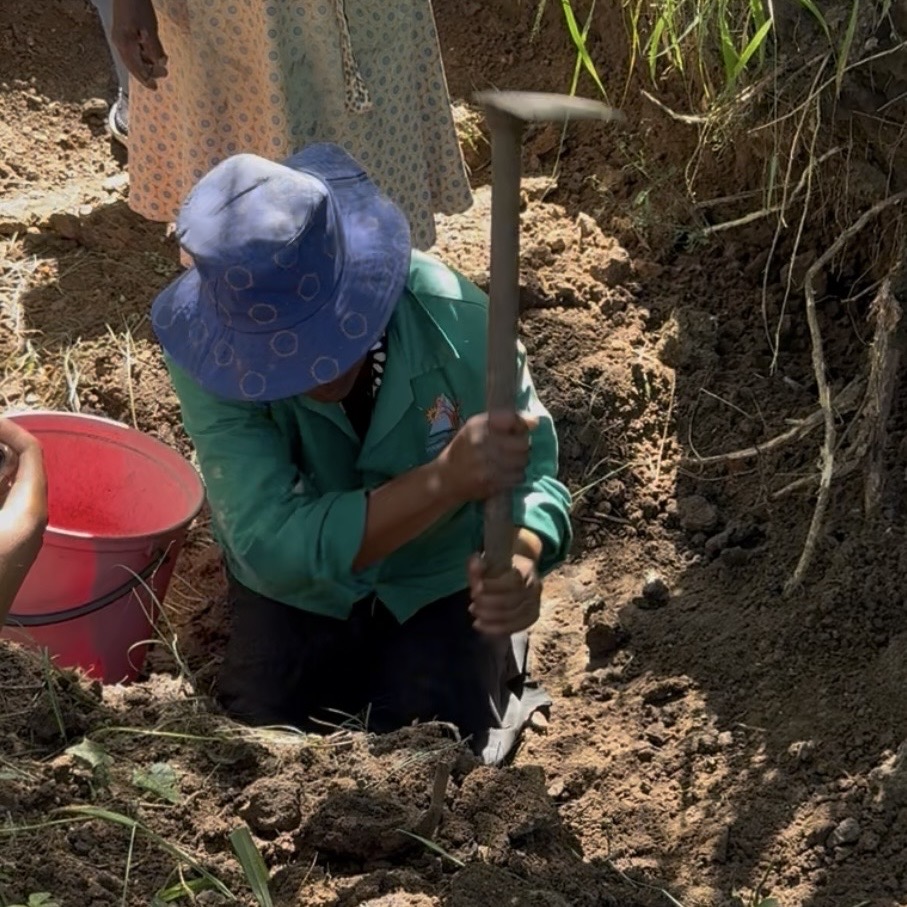
Mukondeni Pottery Village is a communal pottery studio that is shared by the women of Ha- Mashamba. We spoke with three women from the studio, who demonstrated how to make a clay ceramic, sourced clay with us, for us, and gave us some secrets into how to fire clay.


However, the conversation that was prominent was that of legacy. We asked and questioned whether young members of the community were taking on the role of passing it on, and the sad reality was that without proper archiving, this may be a dying art.

Mukondeni Pottery Village Venda Art Mukondeni Pottery Village Venda Art

This reflected in all of our conversations, every artist we visited was a master, that had been long practicing even before some of us were born.

As ‘Pass It On’ echoes in the foundation of this trip, we wonder who will be the knowledge bearers that take this indigenous knowledge into the next generation.