Katleho Habi’s notes on home, and multi-dimensional landscapes
Estimated reading time: 3 minutes
1. How did the Venda research and cultural trip change your perspective on life?
"On life" feels too broad, but I think being in Venda reminded me that everything is sourced from home. Everything comes from the soil, from where I come from. That's kind of the filter through which I see the world and everything.
It reminded me of home in many ways because of how rich the land was, and how I feel like it challenged a lot of the narratives that we find in the city about what being wealthy means. The wealth came mainly from the ground. That was the main source of it. It wasn't anything of human creation or human intervention. It was straight from the soil.
Being there made me realise that it's okay for things to be slow and it's okay for things to slowdown, because that's actually where a lot of detail comes forth within the work itself.
I remember when we visited Thohoyandou Art Centre, it felt so rich because everything felt so paced. Even just how the practices of each artist were described, and how they were taught and passed down generationally, felt like a slow art form, and that's how it changed my perspective.
2. How did the conversations with the artists influence your creative process, if they did in any way?
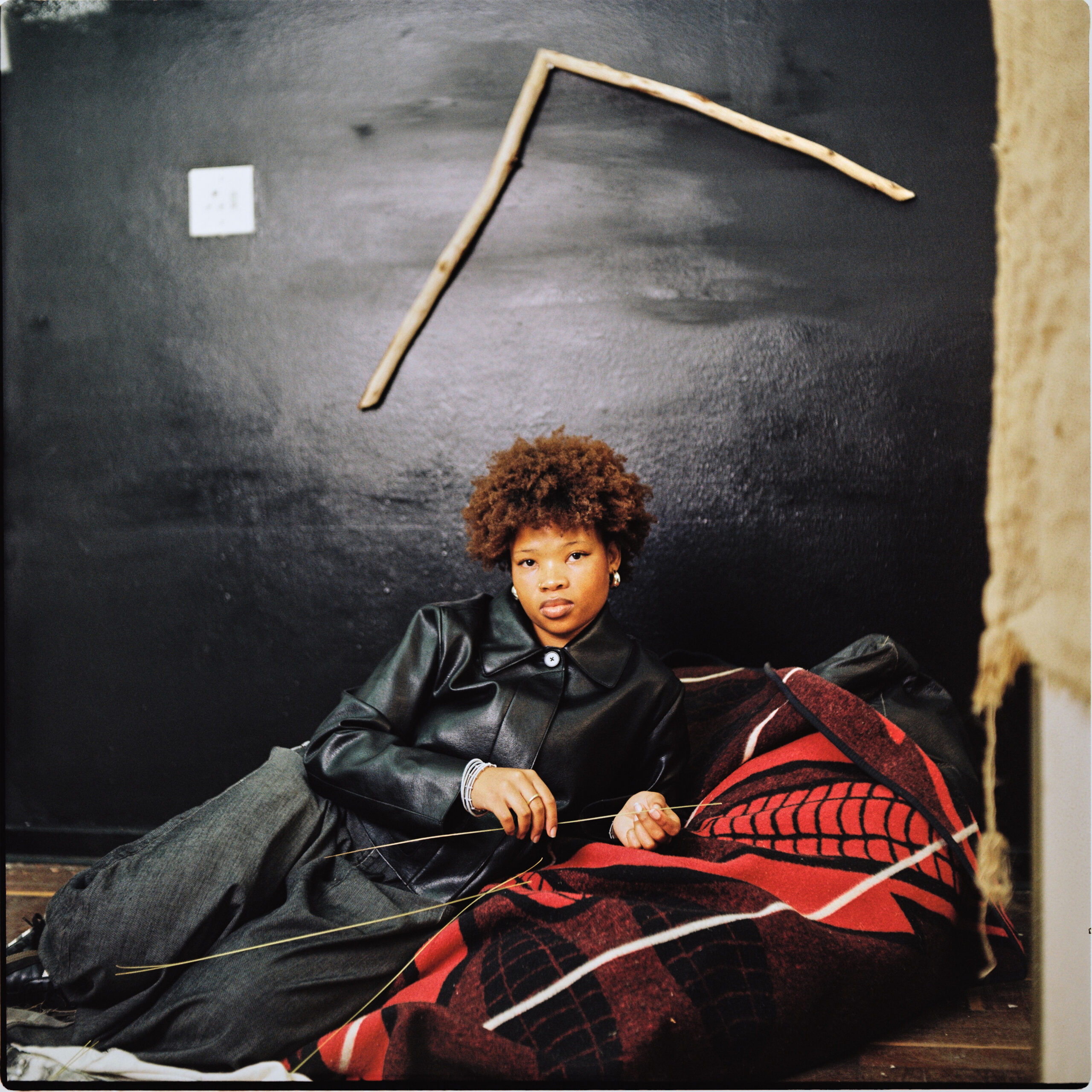
It was more to do with how I see my practice in the future. It doesn't entirely inform the way I practise now, but seeing Vho-Rebecca and Vho-Noria, the way they've built their practices, almost feels like their practices are institutionalised, but in a very home way — with family, and with their practices being a part of their home.
It's not separate. It's not like they wake up, go into the studio and then go back home. It's integrated into their whole way of life.
For me, that's the dream. That's where I see myself far into the future. It hasn't really informed the way I practise presently, but professionally, it has given me a certain vision.
3. In what ways does this body of work act as a form of documentation, preservation or translation of the experience?
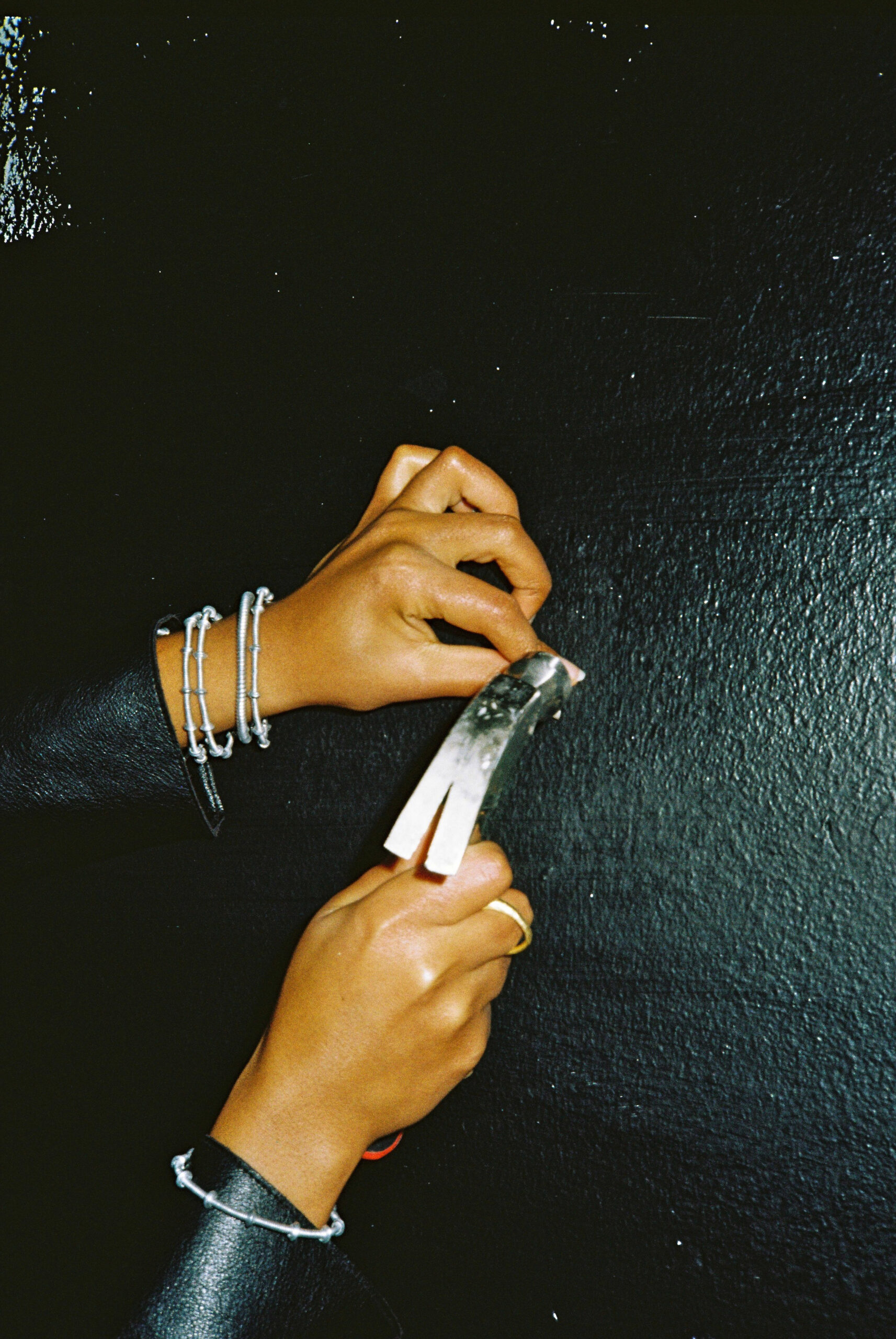
The work I’ve made is specifically about that vision.
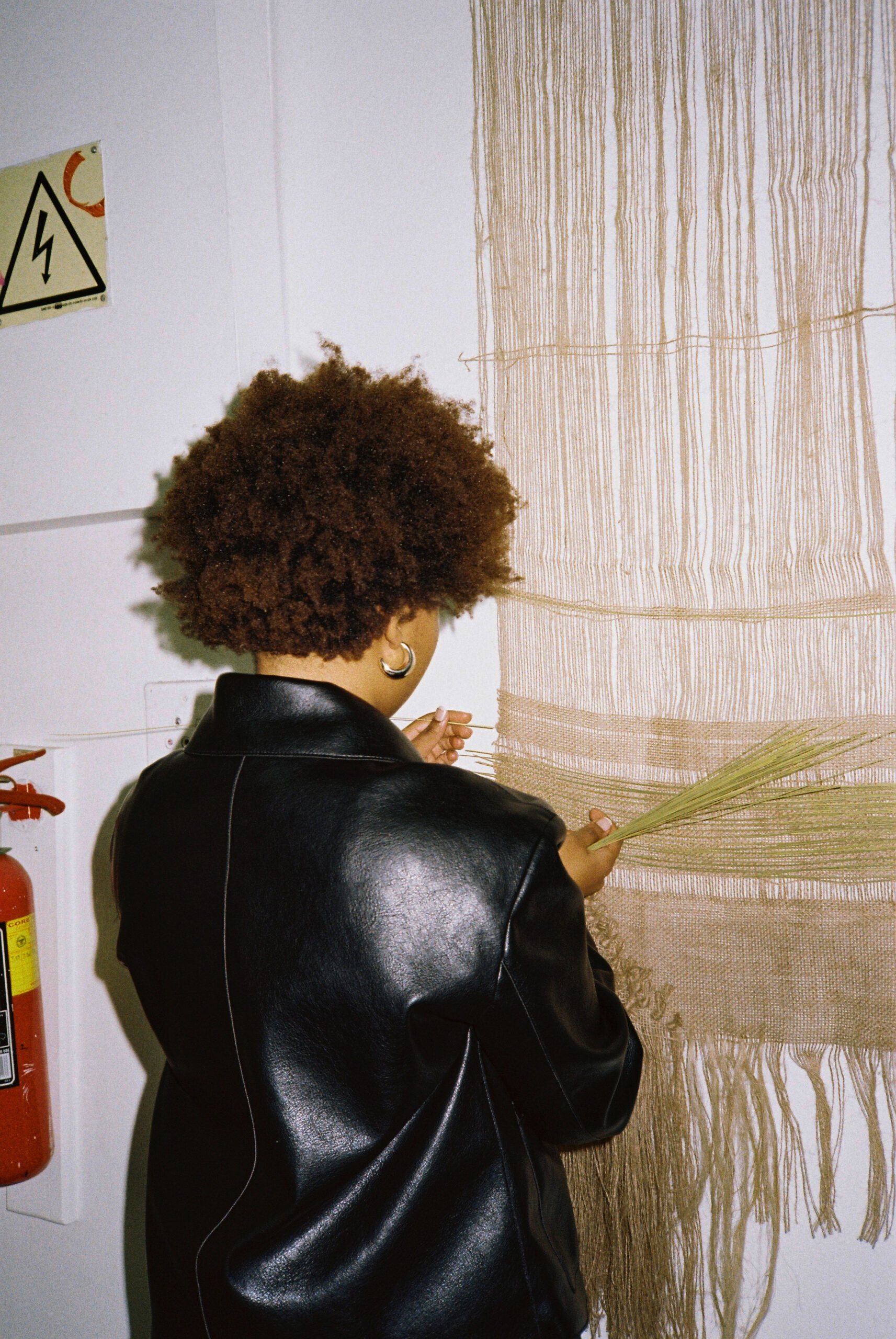
I used materials that I collected with Yonela and Paida, like the binding soil that Vho-Rebecca uses, and the okra we got from the farm on the last day. I wanted to integrate those materials into the work, along with colours that speak to the environment.
It all goes back to the richness of the land. The fruits were so sweet, so succulent, almost like highly concentrated food. Everything feels like that, even the artworks themselves. They feel full and succulent because they’re made from, and shaped by, the conditions of that place — the climate, the slowness, and what I sourced from the land.
4. What's the one thing from the trip that you want the body of work to encapsulate?
I think just driving around, honestly.
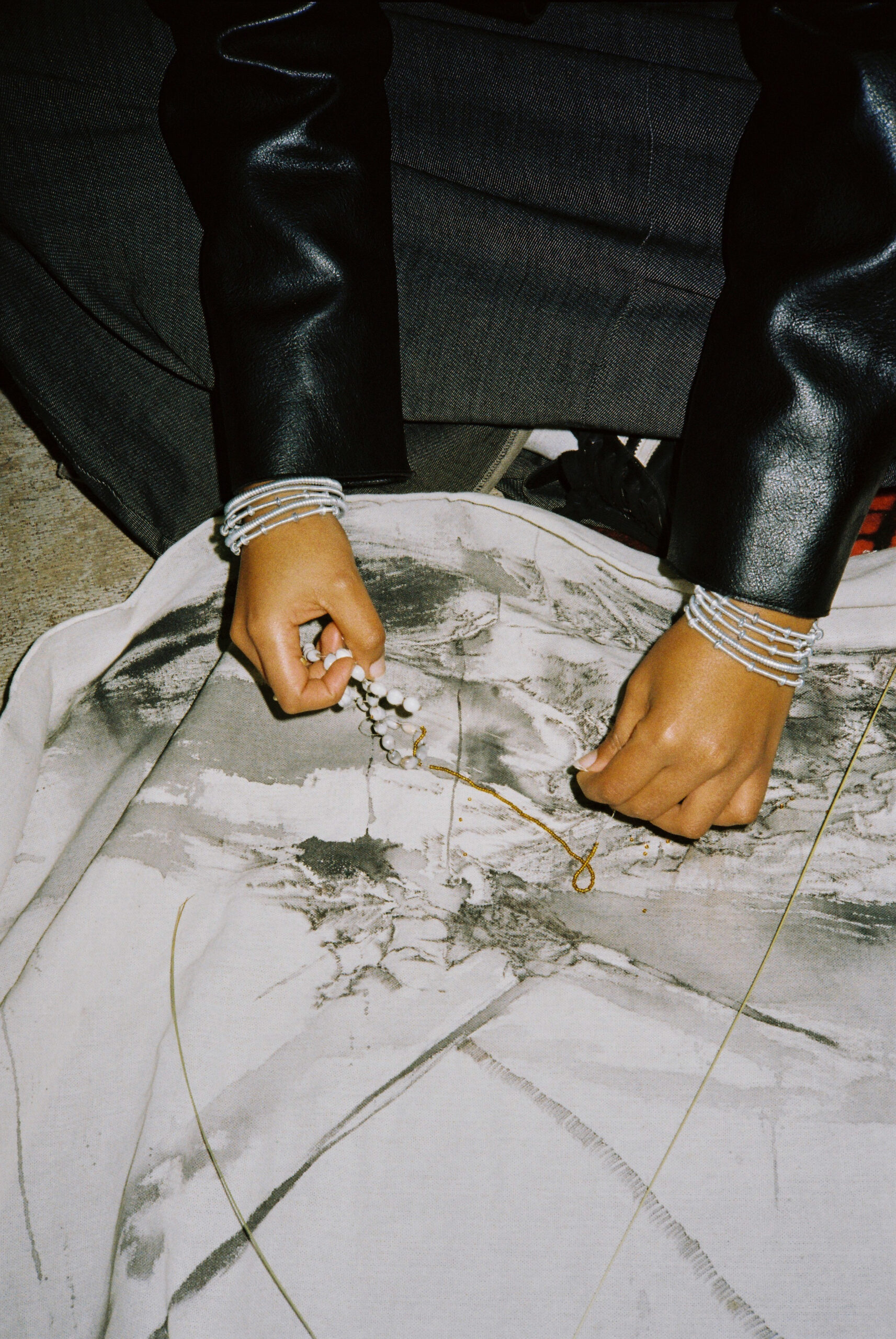
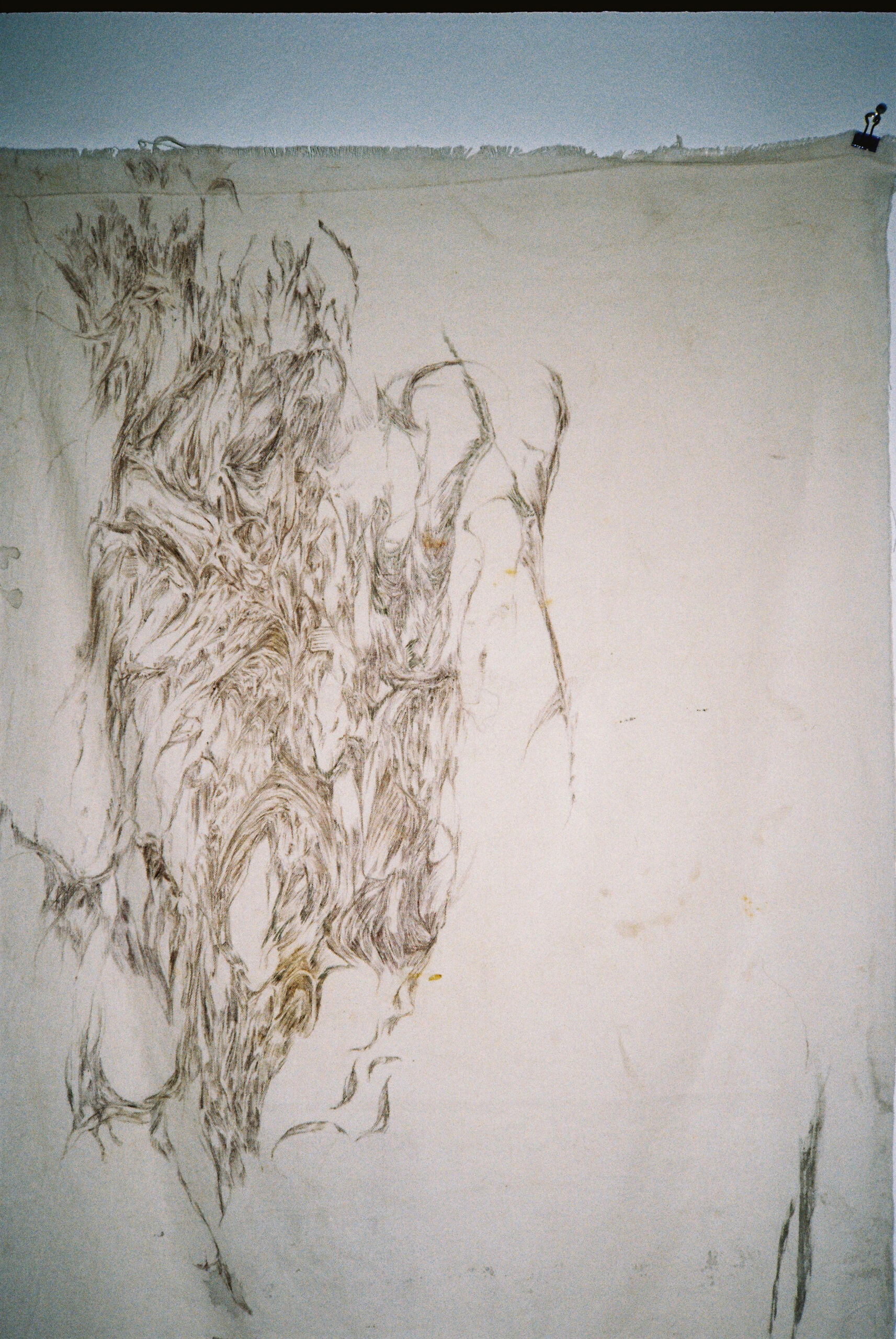
5. How did the physical landscape, architecture, or environment shape the visual language of the work?
I don't think the physical landscape or the architecture or environment shaped the visual language of the work straightforwardly.
Venda has this interesting quality where it feels like you’re moving through completely different spaces, even within minutes. I remember going to Vho-Noria’s place and, as we travelled, the landscape shifted from these tropical, lush, shrub-covered mountains to massive trees that felt almost like a forest. It made me feel like multiple worlds were existing within one place, all integrated and connected.
And I think, as an installation artist, that’s always what I want my work to do: to make you feel like you’ve entered another world, while still existing within the world you already occupy. I think that’s how it’s informed my practice.