The Dealr in KZN
Who is The Dealr? What is The Dealr? The Dealr is an artist-led platform catering to art enthusiasts with an interest in building an art collection composed of contemporary African artists with a distinct point of view and unquestionable technical prowess. The Dealr opens up the world for both the artist and the enthusiast. It exists as an online-first entity, this broadens the artist’s reach, the work can be bought by someone residing in any part of the world. A painting made in Johannesburg can easily find a home in Chicago, USA through a network of operational and commercial channels managed by The Dealr. Artists often find their works limited to a single geographic region due to a lack of the proper organisational infrastructure. This is where The Dealr comes in, it gives all deserving artists a chance to access markets previously thought of as inaccessible. This is not to say The Dealr is the answer to all problems facing the art ecosystem but it sure is playing its part in democratising access and empowering artists and enthusiasts alike. Each piece on the website has been carefully considered and aligns with The Dealr’s ethos grounded in undeniable quality.
Art is made and consumed in all parts of South Africa yet Johannesburg and Cape Town remain the centres of industry for this creative pursuit. The Dealr is aware of this unfortunate fact and has been developing programmes in response to this. Chief amongst its goals is to contribute towards building solid organisational and commercial channels servicing all parts of the country. For too many years artists from towns and cities with underdeveloped creative ecosystems have migrated to the aforementioned cities to practice and reap the commercial benefits of being a great artist. The allure of the big cities is hard to fight but there is a considerable number of artists and makers who choose to not move.
The Dealr started off the year with a pair of tours/excursions to visit some of the artists who have chosen their hometowns as the base for their practices. These excursions were conceptualised as a way to familiarise the entity with practitioners making some of the most exciting and distinct works in KwaZulu-Natal and Limpopo. For this article I will chronicle The Dealr’s activities in Pietermaritzburg and Durban, two cities in the province of KwaZulu-Natal.
Upon learning about The Dealr through a friend, I promptly sent out an email to the founder expressing my interest in working with them. This correspondence was followed by a series of online meetings outlining and honing in on the dynamics of a working relationship. The timing for these talks happened in tandem with the entity planning an exhibition at the province’s premier art institution, KwaZulu-Natal Society for the Arts (KZNSA) Gallery. Prior to the exhibition – whose proposal had been sent months prior to our initial correspondence – The Dealr wanted to acquaint itself with KZN based artists. The merits of such an exercise register beyond art-making. Such a move also shows the human element present in The Dealr’s business practices. The move was a form of a greeting. An announcement of The Dealr’s arrival and interest in working with the people of KZN. The artists were the most sensible first point of contact in a sector where their work is the foundation of all operations. Building a rapport with the people making the art bodes well for all players involved in the art game. This was The Dealr’s way of acknowledging the human capital behind the products that make it possible for every other job in the system possible.
Referring to artworks as products may come off as crass and insensitive but that is what they become once they exit the artists’ studios and make their way into commercial settings like galleries and auction houses. With entities like The Dealr in existence artists do not have to redirect their creative energy to mull over the capitalistic dynamics of the industry. They can entrust an entity like The Dealr to facilitate the most favourable arrangements for them.
For the KZN tour, a list was drawn up, this was whittled down to a manageable number of artists practising in a variety of mediums. Had resources allowed, all the artists on the list would have been paid a visit. The Durban leg of the tour included visits to Sphephelo Mnguni, Selloane Moeti, Thembi Mthembu and Mthobisi Maphumulo. In Pietermaritzburg we were welcomed into the homes and studios of Nqobile Hlela, Siyabonga Ngubane and the recipient of the 2025 Absa L’Atelier Gerard Sekoto Award, Ndlovukazi Ngilande. Through in depth recorded conversations with the artists Muofhe was able to get a sense of who the artists are within and outside their creative practice.
Understanding what it means to be an artist practicing in the province meant getting anecdotal perspectives from each artist.
Selloane mentioned that her geographic location does not prohibit her from accessing the bigger markets. Her use of social media catapulted her to a position some artists are yet to reach. She uses Instagram and other platforms to position herself as a brand worth paying attention to. This attention has been converted into sales for just over a decade now. Selloane said most of her clients are based in Johannesburg and that might continue to be the case. This shows that geographic boundaries can be circumvented through ingenuity. The Dealr aims to be a partner to as many unconventional artists as possible. Sphephelo highlighted the importance of community. A community to exchange knowledge, develop ideas and techniques. He also mentioned working with other creative practitioners outside your immediate field. His recent collaboration with fellow Durbanite, Qaabil Mullah to bring his paintings to “life” through animation echoes his sentiment on the highest level.
The artists who ended up on the final list do not in any way present a definitive lens through which art from KZN is to be viewed and understood. What this group of artists does offer, is, a look into a shared experience of what being practising artist in the province entails. In a conversation with Crystal, one of the city’s more experienced residents, she said Durban should proudly claim its place as the world’s incubator instead of running away from it and chasing other forms of being. What she meant was, the city should make peace with talent leaving one it is ripe enough for the greater world’s consumption. It will just keep producing more wonderkids. This is a valid take from someone who has witnessed the many iterations of Durban’s creative scene since the 1980s.
The difference between the Pietrmaritzburg art scene and Durban’s according to a UKZN Fine Arts lecturer, ceramic artist and writer Tsholofelo Moche is breadth. Moche posits that Pietermaritzburg is conducive to more complex forms of artmaking whereas Durban is anchored by painters. In the absence of any empirical data both comments from Crystal and Tsholofelo make for interesting points of departure as it pertains to art in KZN. It is important to get a sense of how people perceive the output of artists in the environments they inhabit. The Dealr sought the perspective of the artists to build on a stronger foundation for its operation in the province. Establishing genuine and mutually beneficial relationships with the artists is paramount to The Dealr’s success in KZN.
KZN is home to incredible talent that benefit from the presence of a progressive entity like The Dealr. Through collaborative efforts the commodification of creative products can yield spectacular results for both artists and the facilitators of commercial endevours. The Dealr’s stance on making a profit is centred on artist-friendly arrangements. KZN based artists were presented with a clear roadmap on how to partner with The Dealr should there be any interest in working together to build a stronger art ecosystem.
The Dealr crew went back home on 30 January, 2026, a day after studio tour day. It would be just over four weeks before the general public could witness what The Dealr had to offer. And then the day came, Friday Action Night. On Friday 06 March, 2026 Not For Sale opened at the KZNSA Gallery. The introduction to the public consisted of more than putting up artworks on the walls of a revered institution. It included two workshops in the form of panel discussions. This type of programming allowed The Dealr to show the multiple layers within its composition. Not For Sale was housed in the Park Gallery, one of three spaces available for exhibitions at the KZNSA Gallery, the Main and Mezzanine galleries are the other two. One of the ways to get to the Park Gallery is going through the other two galleries. Alternatively you can approach the Park Gallery from the Art Cafe staircase into the Glass Box (a meeting room), a large steel door functions as a partition between the Glass Box and the Park Gallery. Before you got to NFS you encountered a couple of artworks that were not part of the show. The vibe shifted once you entered the Park Gallery, regardless of which side you came in from. Muofhe featured eight works from seven artists, including an archival print of her Every Girl Has Her Day.
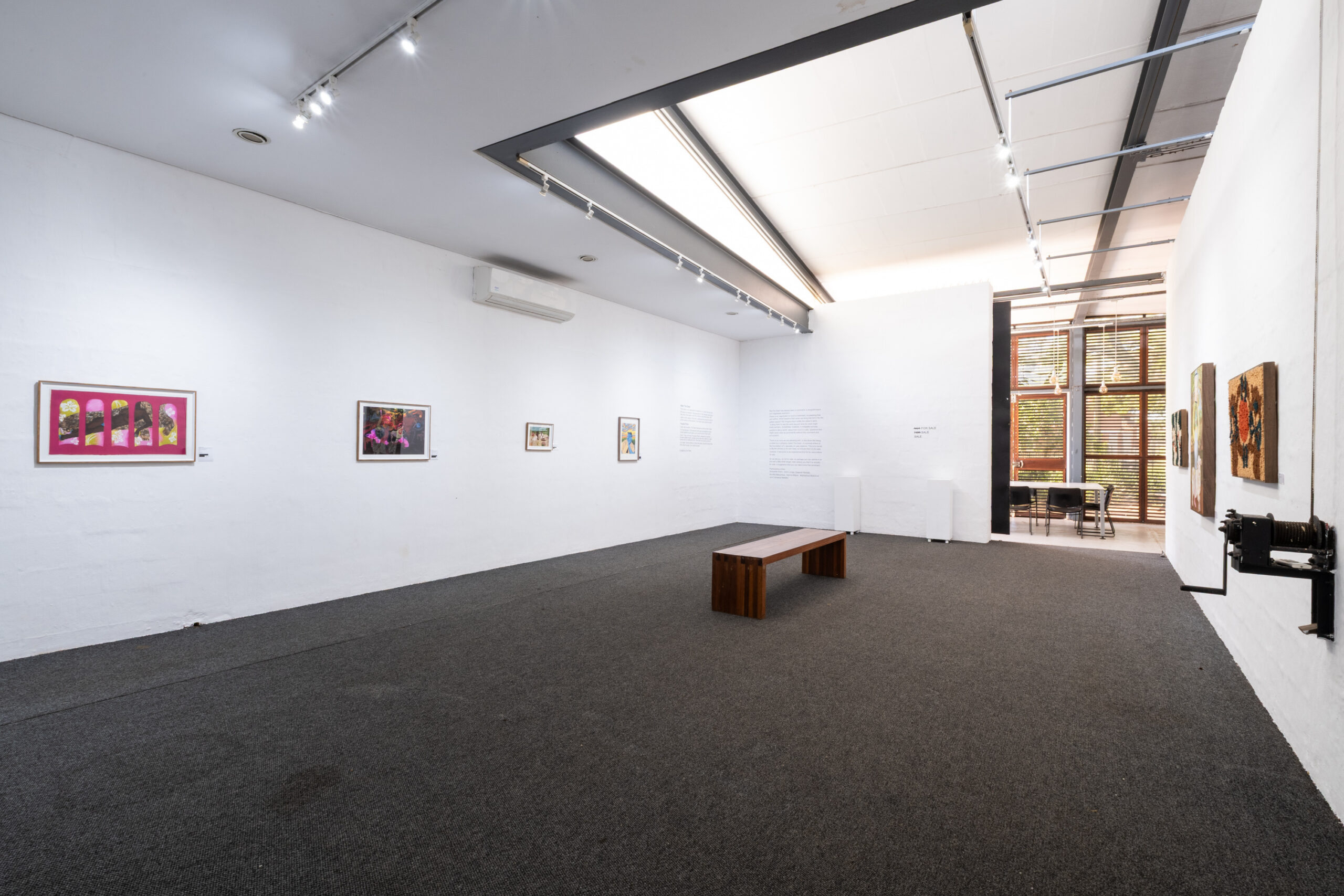
Installation view. Photo credit: Paulo Menezes
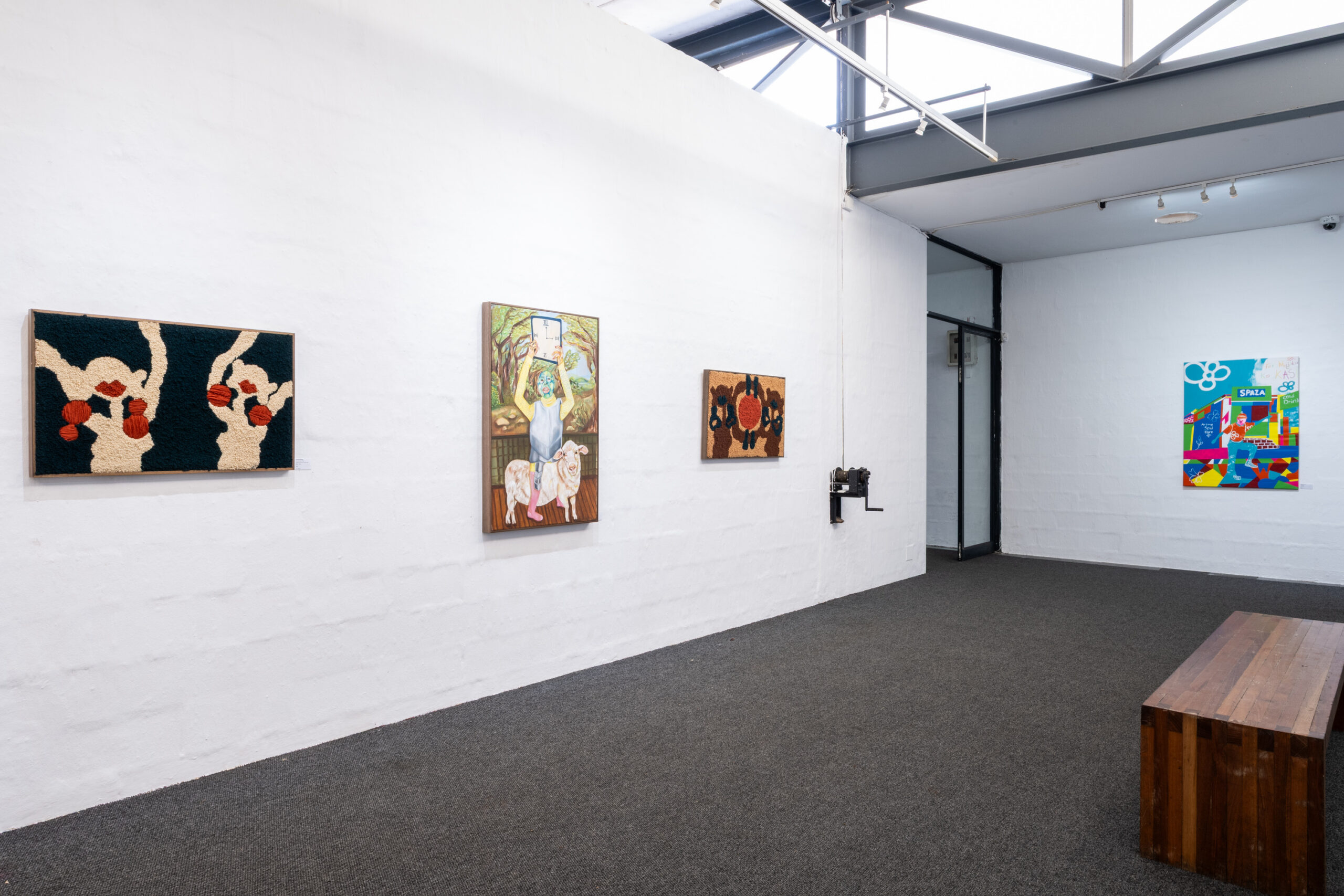
Installation view. Photo credit: Niamh Walsh-Vorster
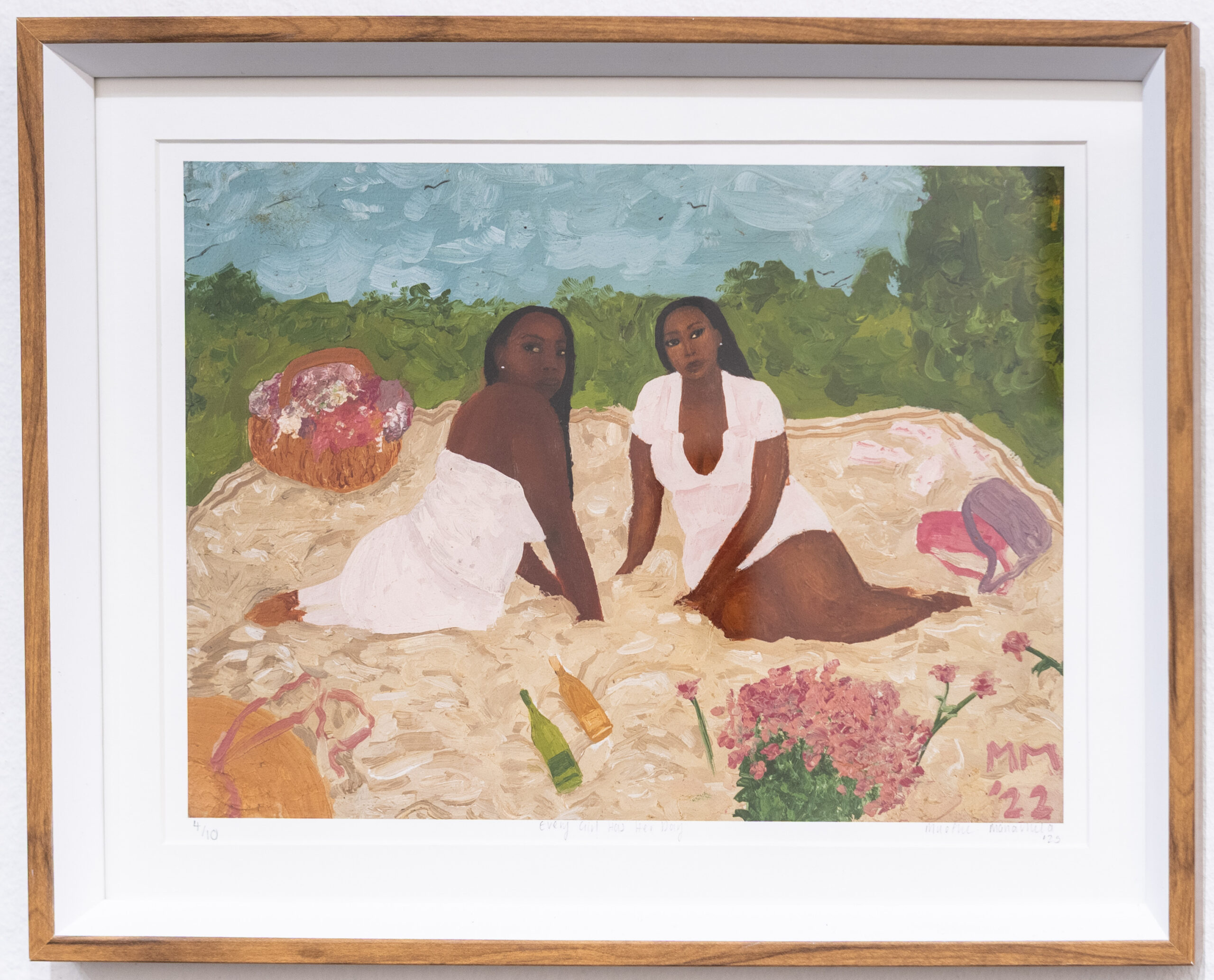
Muofhe Manavhela - Every Girl Has Her Day
The joyous colour palette used by Mukhethwa Mukininidi’s in his acrylic on canvas works Majita ko Kasi and Sisterhood pulled you closer to the pieces. Upon arrival you were left to admire the seemingly simple technique whilst trying to place yourself in the worlds shown in each frame. Schumile Adam and Kamva Matuis’ works spoke with one another on an aesthetic level. With both works using a deeply saturated shade of pink to offset the darker tones found in each of their works. Adams’ When I Close My Eyes, You’re By My Side and Matuis’ Complex of the Saint in Bachanalia were both archival print on cotton paper. The presentation of the works did a lot to persuade patrons. The reality is, most Durban artists do not frame their works so experiencing a show where all works are framed or stretched adds to the excitement of looking at art. To extend that much care to a reproduction of a painting shows how much The Dealr values its audience.
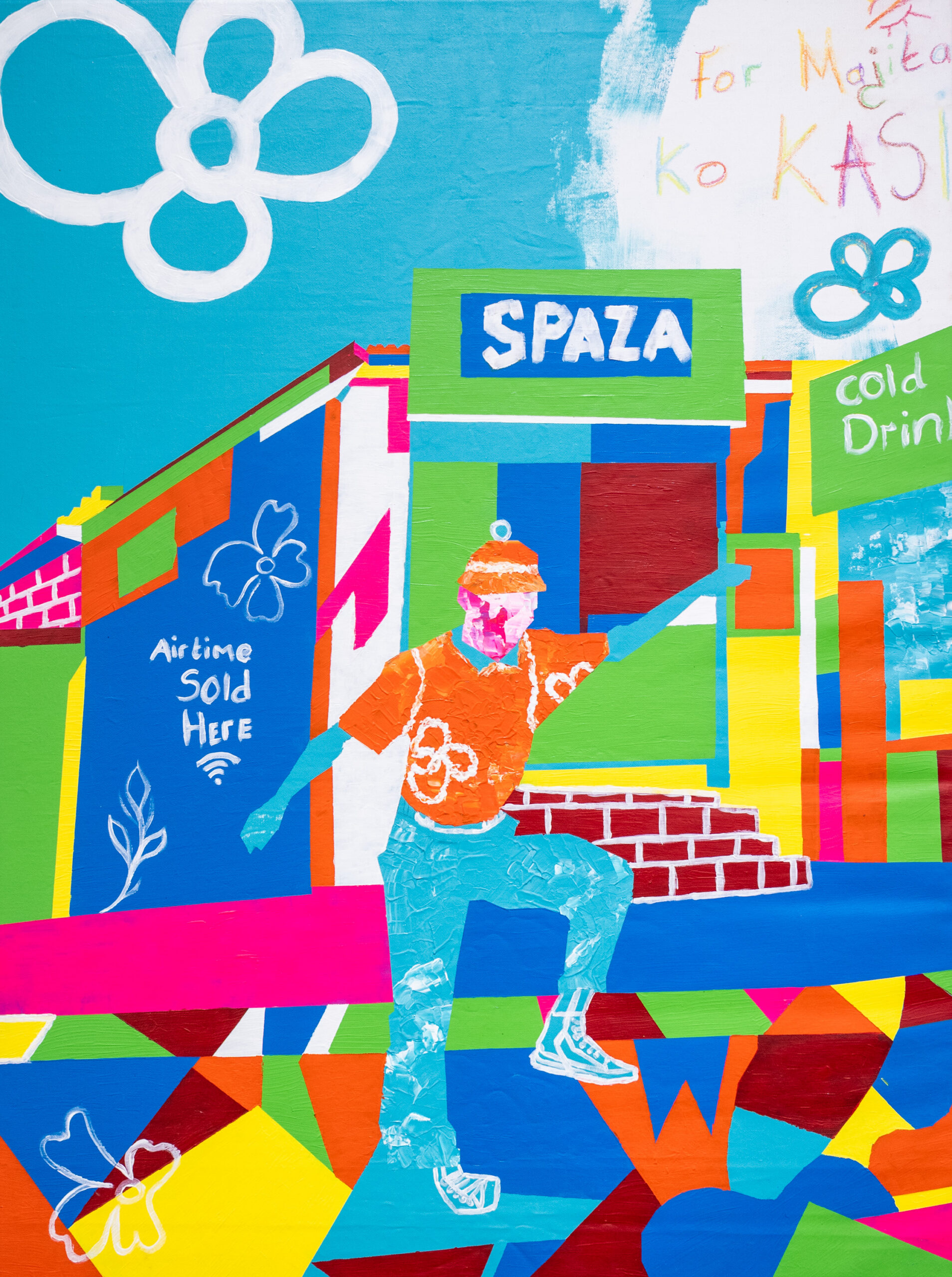
Mukhethwa Mukininidi - Majita ko Kasi
Prints are an integral part of The Dealr’s repertoire, making art accessible is at the centre of prioritising prints. More people are able to part with a few thousand rands compared to paying the price of an original which can run into tens of thousands of rands. Jason Langa’s The Hope that Stayed Beside Me is the current Payday Print on the website; make a note and put it in your budget. Zukhanye Ndlaleni’s oil on canvas painting The Sign of the Times had an asking price significantly higher than the prints. The NFS show served as an education to the different types of presenting art. There isn’t any way that’s better than the other, there is room for variety, all mediums have a place in someone’s home. I was pleased to see that someone had bought Sagwadi Mohlabi’s double knit monk cloth pieces The Sun Always Rises and Rejoice. NFS brought together varying styles to create a coherent presentation showcasing The Dealr’s ability to tell a story using different visual languages. What was the story being told? Life is absurd and beautiful.
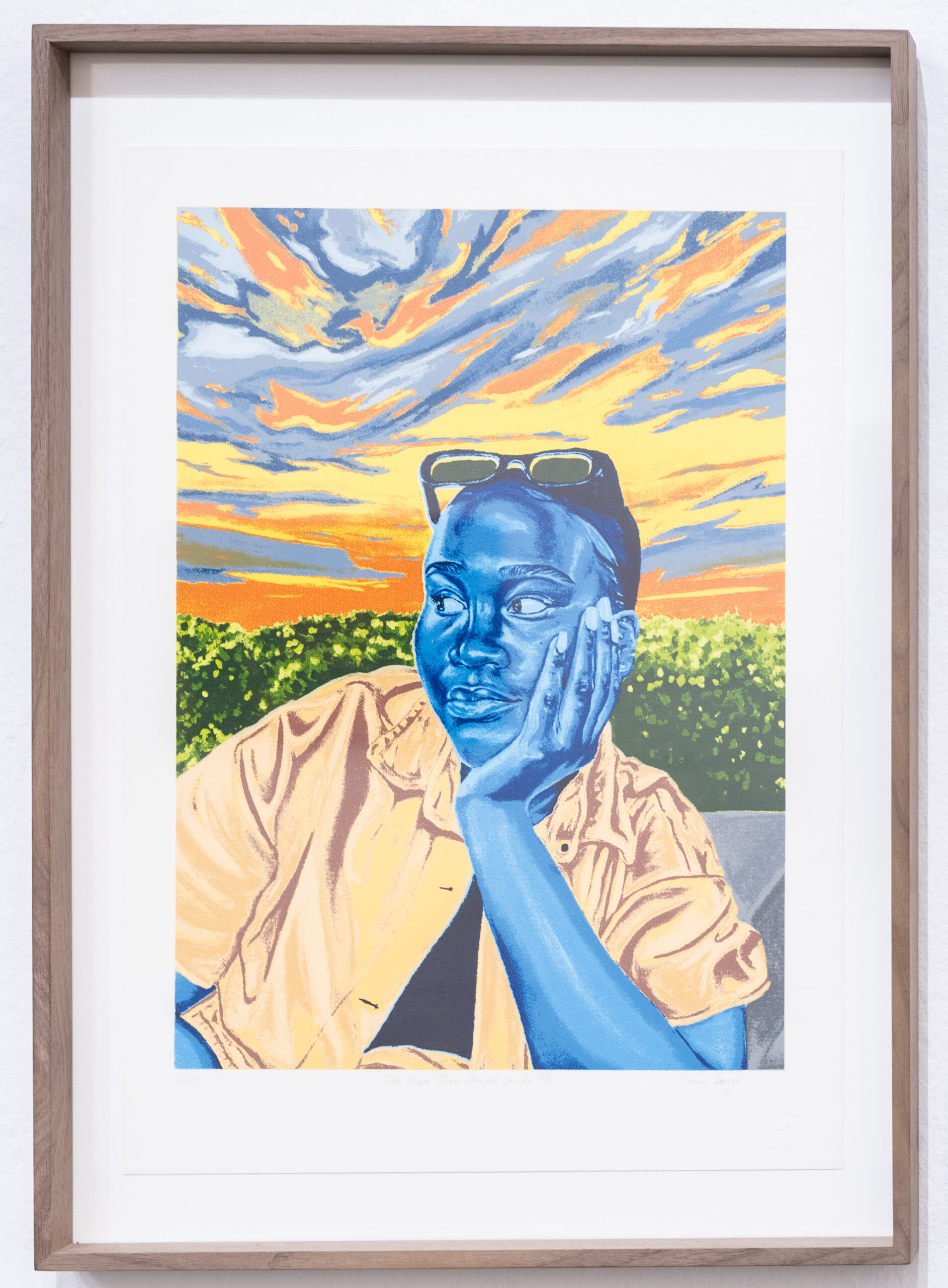
Jason Langa - The Hope That Stayed Beside Me
The Dealr punctuated the exhibition with two Artist Workshops on the 7th and 21st of March. The first workshop was a discussion with Wonderbuhle, Selloane Moeti and Muofhe Manavhela. Some of the key discussion points were: developing a distinct style; importance of institutions; growing your network; how to price work. For the Artist Workshop on the 21st Azola Kwreqe, Zinhle Khumalo and Jess Bothma set down for a conversation moderated by Muofhe. The conversation was centred on professional practice and working alongside one another to build a sustainable art industry.