
Yonela Makoba’s notes on legacy, a particular shooting star and cross-cultural experiences
Estimated reading time: 4-5 minutes
1. Was there a particular moment during the trip that shifted the way you think about your practice or purpose as an artist?
I wouldn't say there was one particular moment, but I think witnessing practitioners at that age, having practised for so long and having bettered themselves every single time they work, or simply gotten to know themselves more as they go about their work, really stayed with me.
By the time we were seeing the elders, there was this particular confidence that they had in their work and in their practice.
When we visited Vho-Raphalalani, he was showing us some of his small sculptures. He said that every single year, the work becomes more valuable. That was such a testament for me as someone who understands who they are, but also really understands the brilliance of their work.
Vho-Noria was the same. There were so many of them who were just like, "I innovated that.Mine don't look like that." There was such a confidence about their work.Even Vho-Nekhofhe said, "I haven't sold this (his totems sculpture) because they're not willing to pay the cash money." And there's something about knowing your worth that I think really inspired me. It also made me think that you could really do your craft for years. There's something lasting about growing old and still practising, still living your life, and still living an artistic life.
Those were the moments that really impacted how I think about my craft and my practice. It's this idea that, "This is me. This is what I'm going to be doing for decades."
2. What conversation, ritual or experience from the trip has stayed with you the most?
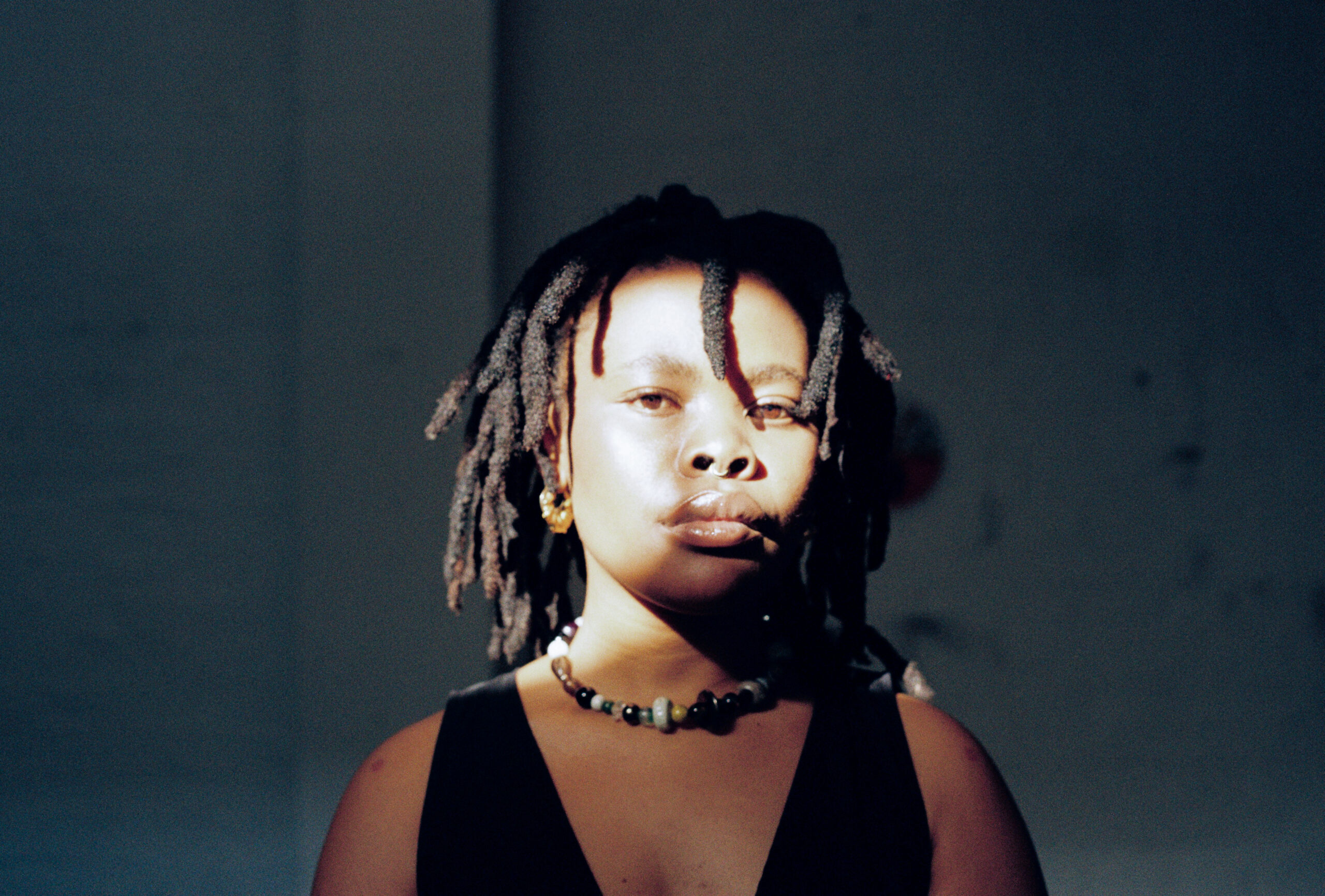
Seeing the shooting star, I can't lie, that night was so special.
We were all kind of introducing our practices, so it was intimate in the sense that everyone was getting to say, "This is me. This is what I'm doing." Then, while we're sitting around the fire, we're outside, there are all these night sounds, and then a shooting star emerges.
It was just so perfect, I think that day was particularly special.
3. In translating the experience into art, what did you choose to preserve and what didyou choose to interpret?
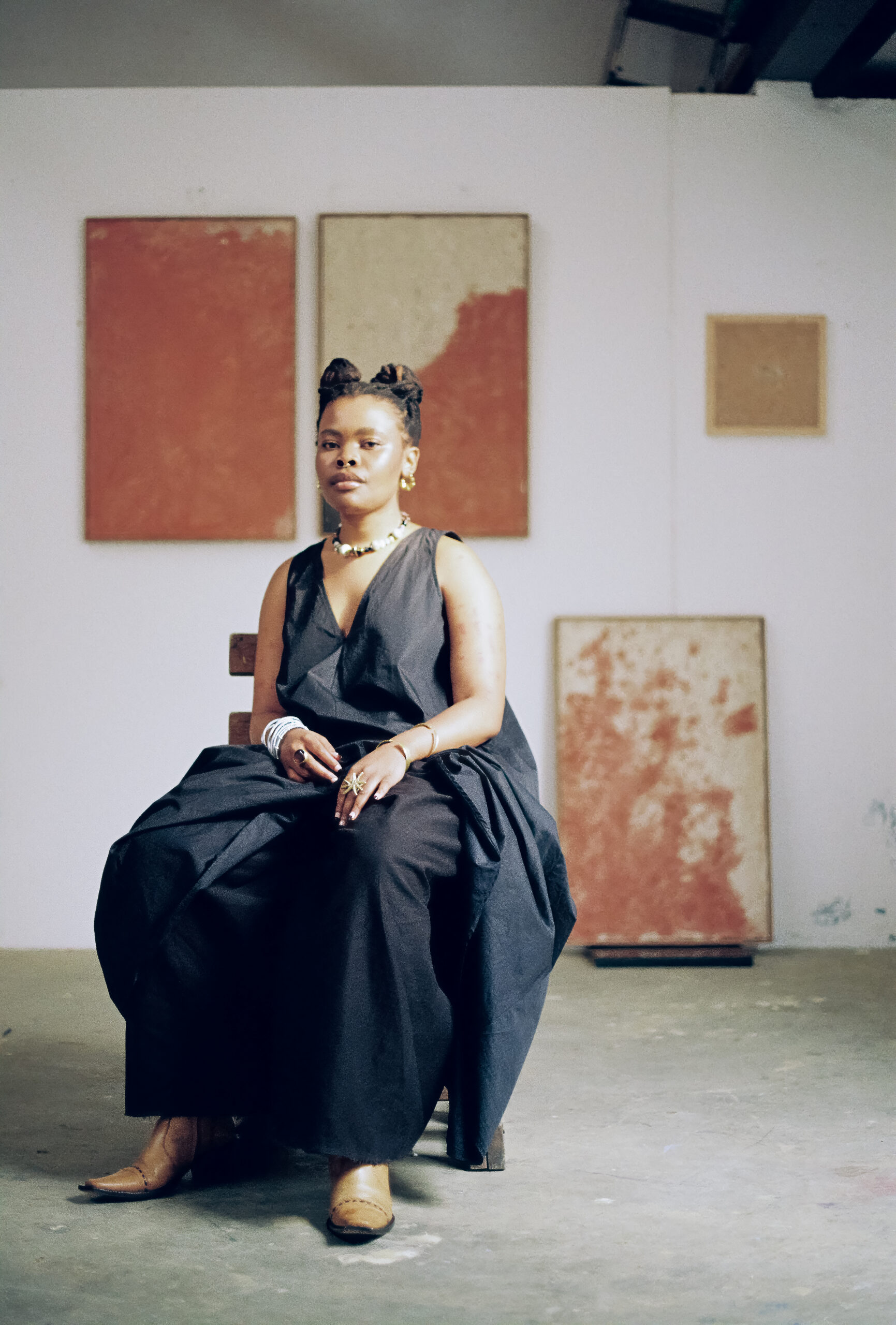
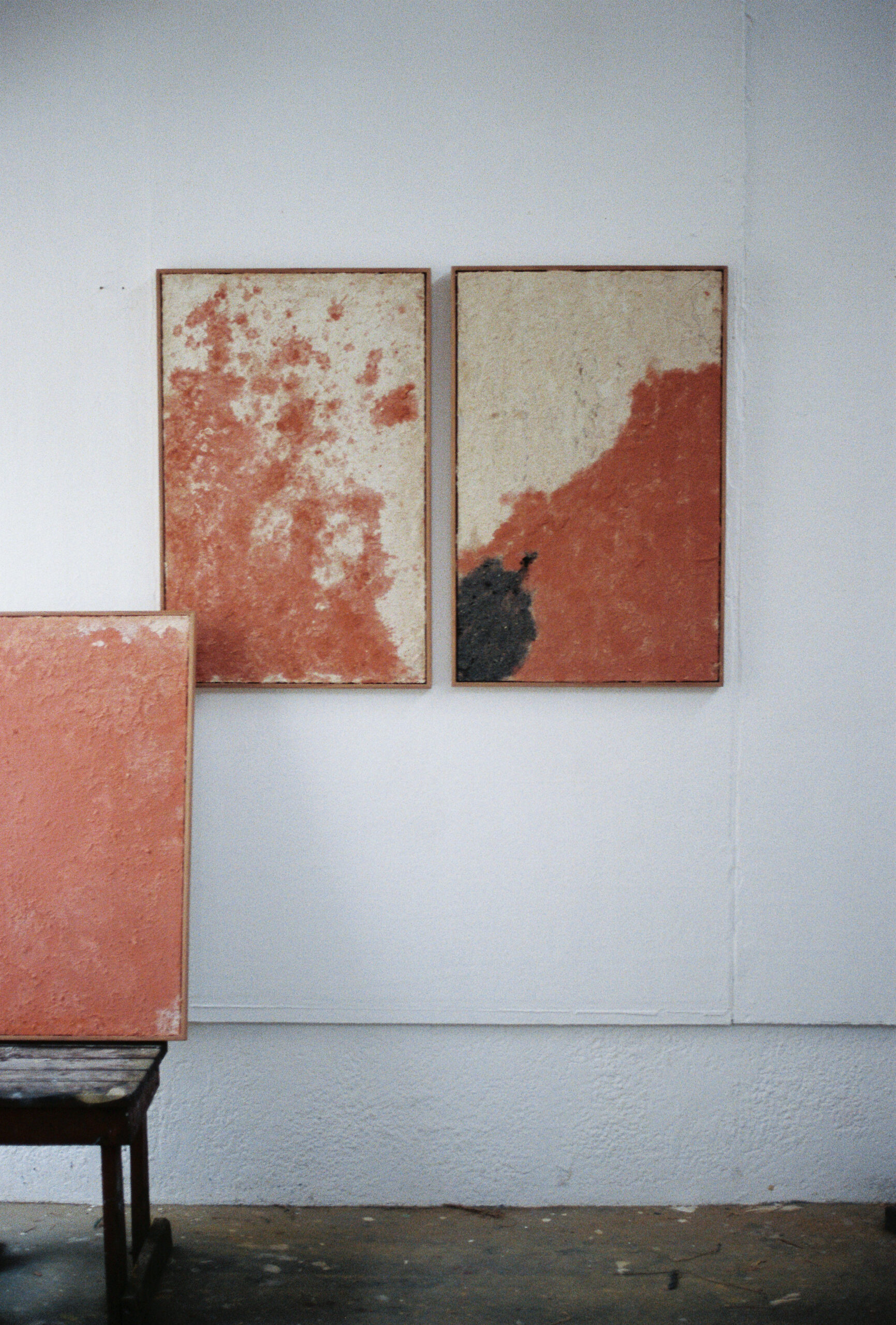
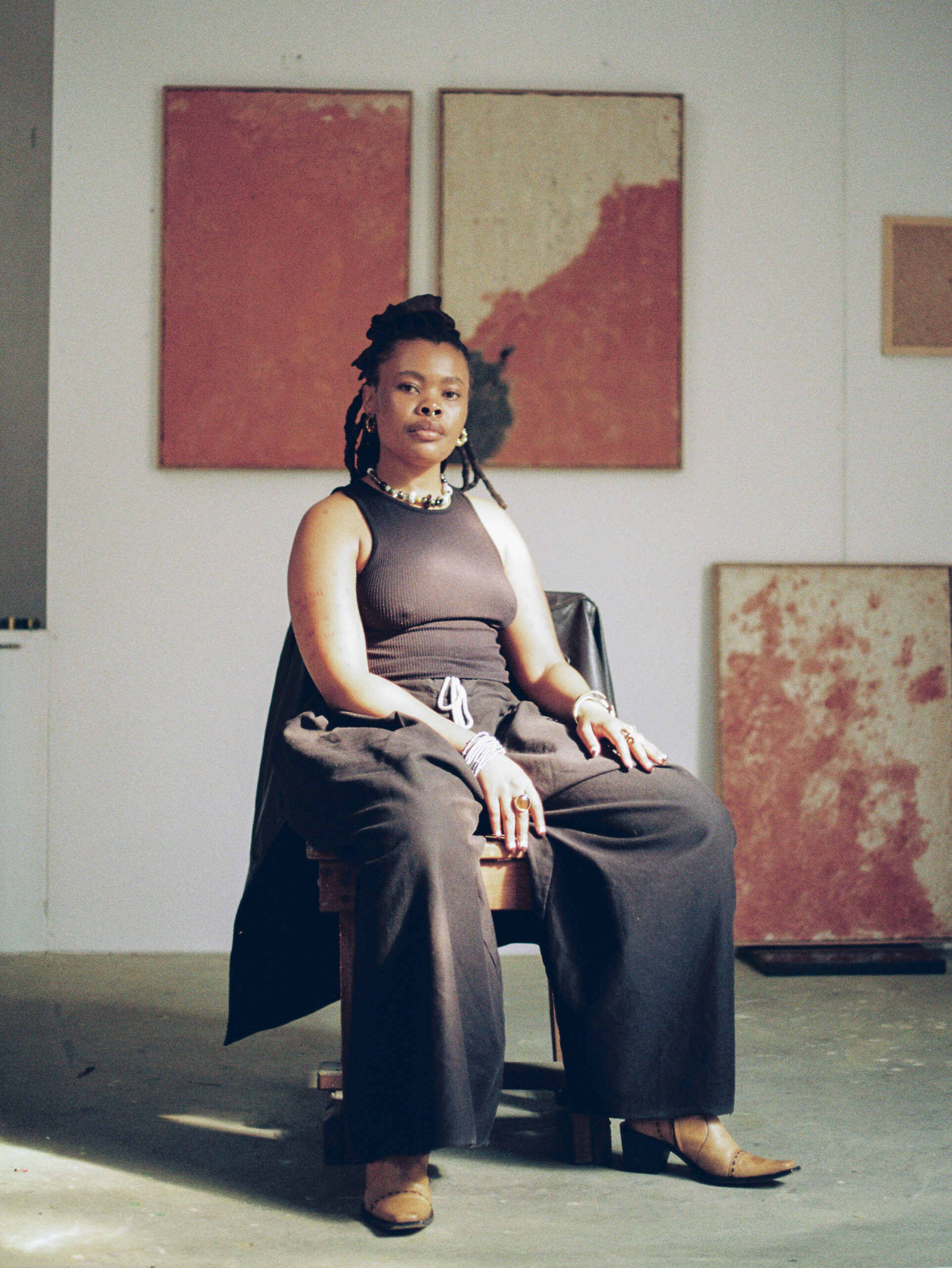
What I've chosen to hold on to a lot is what I kept seeing when we were on the road every single time: this combination of the red soil and the greens of Limpopo, it just stayed with me.
When you're moving in a car, things start blending into each other. I really liked that movement of the red and green.
So, weirdly, what I've held onto is colour. I could have taken so many things, but the colours were so real and so natural, and I just keep feeling like they captured something about Venda.
4. Were there any materials, textures, colours or forms encountered during the journey that found their way into your work?
The textures of the soil, ochre, and really the green and red. When I close my eyes and think about that trip again, there's nothing more that I saw than that.
There's also a soundscape that comes from the dreams, although that's a different thing. That is also something that really stayed with me. I carried a particular journal when I went there, so I also have a series of dreams that I had while I was there. Those are really precious to me and are guiding me towards the artworks for the show.
5. How do you hope audiences will feel when encountering work informed by this journey?
Because I am not Venda, I hope that they witness the kind of shift that Venda has made on me by seeing the things that stayed with me. I feel like there are things that aren't necessarily similarities, but things that connect us.
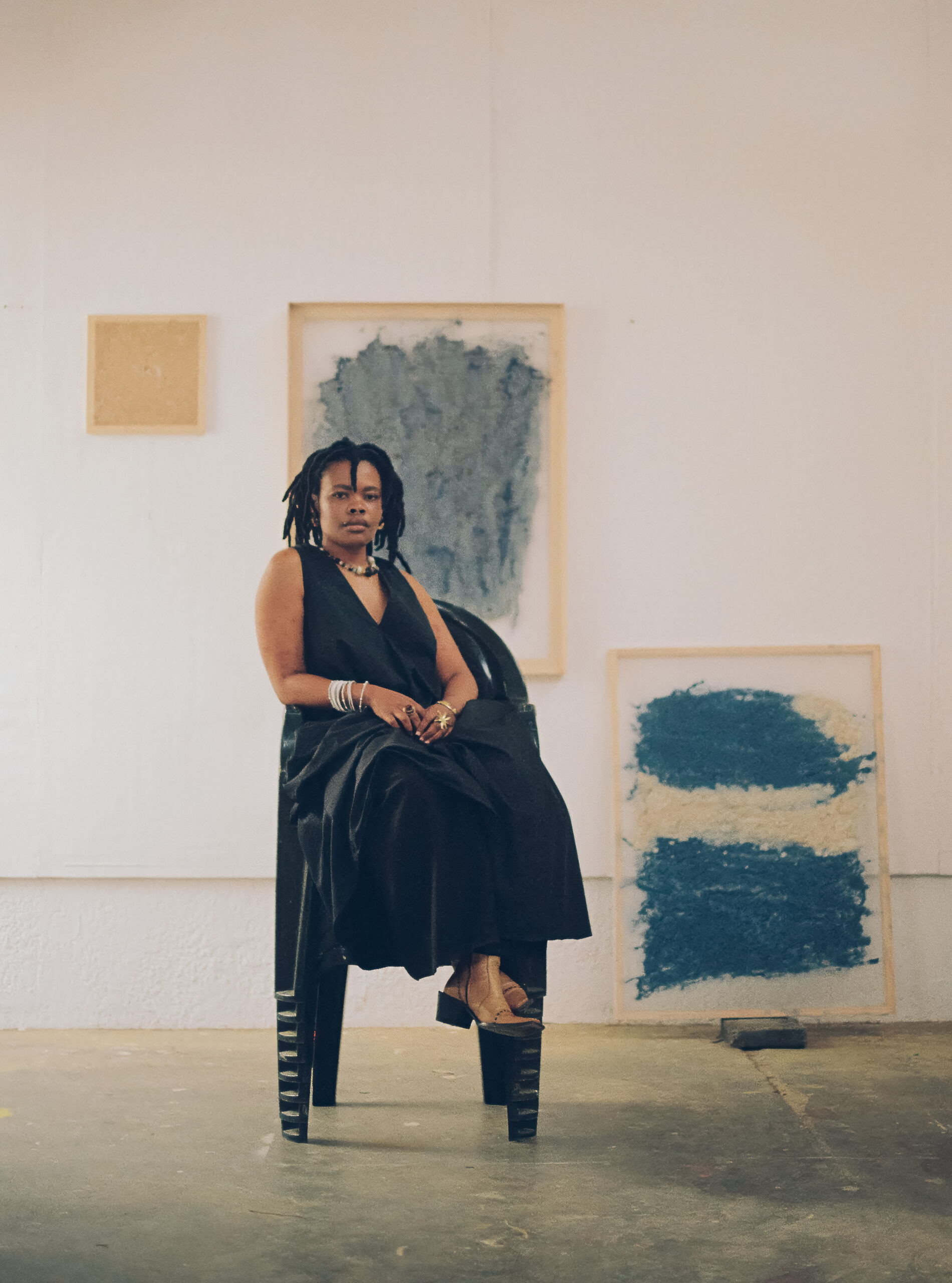
For instance, these bangles (vhukunda: silver bangles that are traditionally worn as bracelets and on the ankles by Venda women). When I went home, all my aunts in the village, my mom and my grandmother were like, "Where did you find these? We used to have these."
They had such a strong sense that if you go back there, you have to bring something back.There was something that happened in that moment where something that is so prevalent and so everywhere in Venda is something that has almost disappeared back home.
So I'm hoping that what I've taken from Venda has a resonance beyond Venda — that it reminds us of something old.There's this big feeling for me that Venda has been able to hold on to the old world in such a beautiful way. I'm hoping that the work speaks to the elders in a way that holds the old world and the world that we're in now.
Because at the end of the day, it's 2026 and I'm in my thirties. I don't want to see these worlds as separate. I want to see them melt into each other, but also remind us of the wisdom and knowledge of the people who came before us, particularly about the land and nature.
All the masters use materials that come from the land. So how does one learn from that? I remember how Vho-Noria said something along the lines of, "Your hands will be the thing that feeds you."
That kind of teaching is big. It's especially big in a moment in our country where we're feeling increasingly unable to make things for ourselves, to do things for ourselves and to create opportunities for ourselves.
I think, how do we learn from the old people who built their whole lives from the things around them — the clay outside, the tree outside? I hope audiences can witness that. I hope they can see the wisdom of the elders and see how it can be passed on from one generation to the next.