The Dealr at Africa Basel 2026: A South African Digital Platform on the Global Art Stage (Reflections from Basel)
Estimated reading time: 4-5 minutes
The Dealr’s participation at Africa Basel 2026 was an important step in bringing its roster of emerging South African artists into wider international conversations. During Basel’s vibrant art week, the fair connected galleries, collectors, curators, and cultural institutions focused on contemporary African art and its diaspora, creating space for dialogue, collaboration, and unexpected encounters with fellow South African artists and cultural practitioners.For The Dealr, it was an opportunity to explore how a digital, artist-led platform from SouthAfrica could enter a global art network, introduce emerging artists to new audiences, and build relationships that extend beyond the fair.
Africa Basel: Context
Africa Basel is a fair dedicated to contemporary African art and diaspora artists, held during Basel Art Week in Switzerland — when the international art world converges on the city. Now in its second edition, the fair moved into a larger space this year — a shift that was felt on the floor. The first edition, held last year at a smaller venue, established the foundation. This year felt more settled, more open, more assured.
Distinct in scale and focus from the commercial Art Basel, it is dedicated specifically to emerging artists and new voices in contemporary African art.
For The Dealr, this meant direct access to collectors, curators, and cultural professionals who are often difficult to reach from South Africa. The Dealr was also the youngest woman-led participant at the fair, represented by founder, curator, and artist Muofhe Manavhela, whose presence was engaged, focused, and welcoming.
Organiser Perspective: Entry and Collecting
For organiser Benjamin Fluglister, The Dealr stood out through its approach to exhibiting. Where many exhibitors focused on originals, The Dealr presented limited-edition prints — a more approachable entry point into collecting contemporary (South)African art. "The limited editions make collecting less intimidating. Young collectors can afford them, and they remove some of the fear people have around buying art."
Limited editions lower the barrier without diminishing the work. Those not yet ready for originals can begin building a collection through a print, and return. He acknowledged that presenting originals alongside editions would deepen the experience but positioned The Dealr as part of a broader shift in how art circulates and reaches new collectors — one where digital platforms play an increasingly direct role in connecting artists with audiences.
The Presentation: And if I were a Colour…
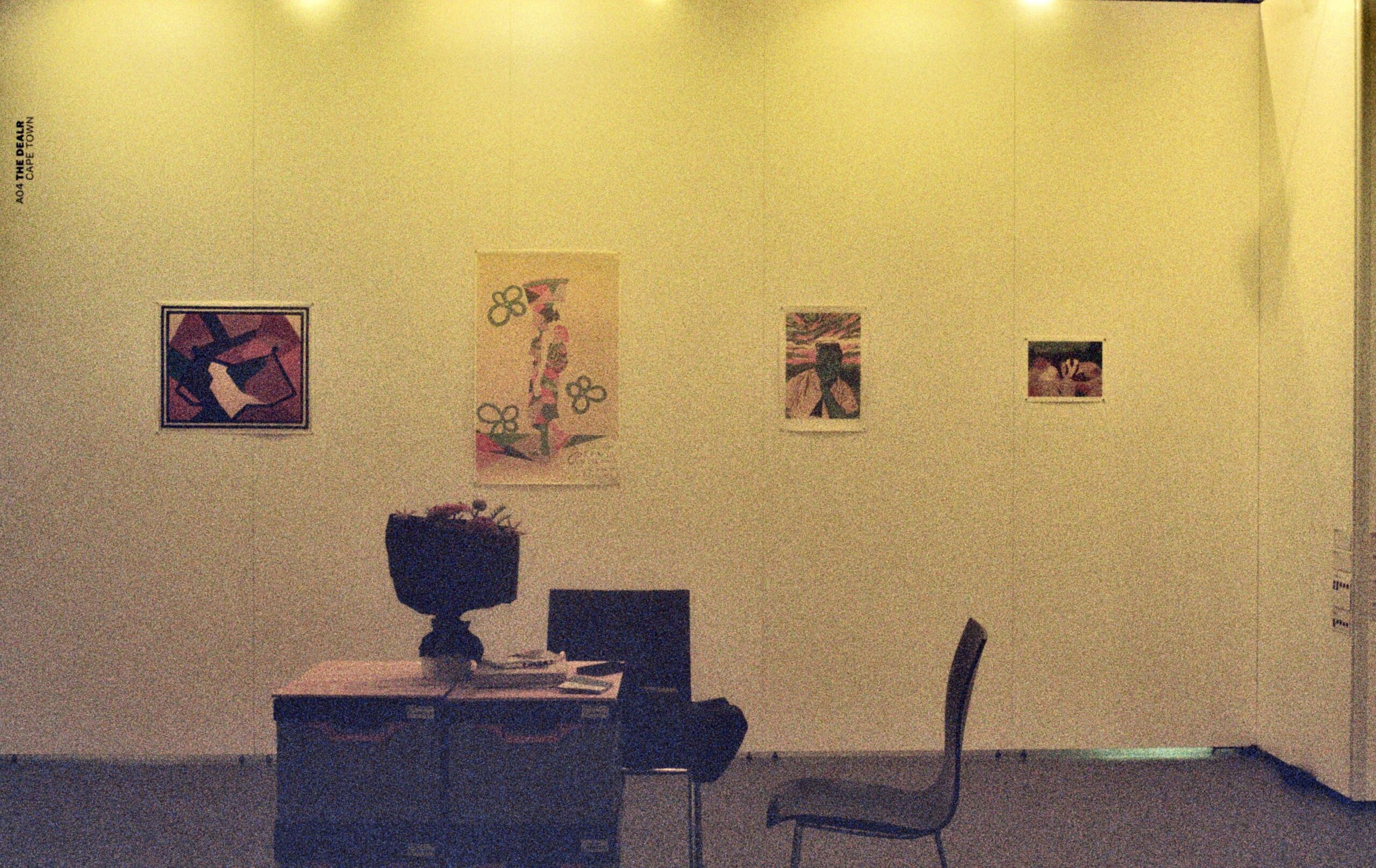
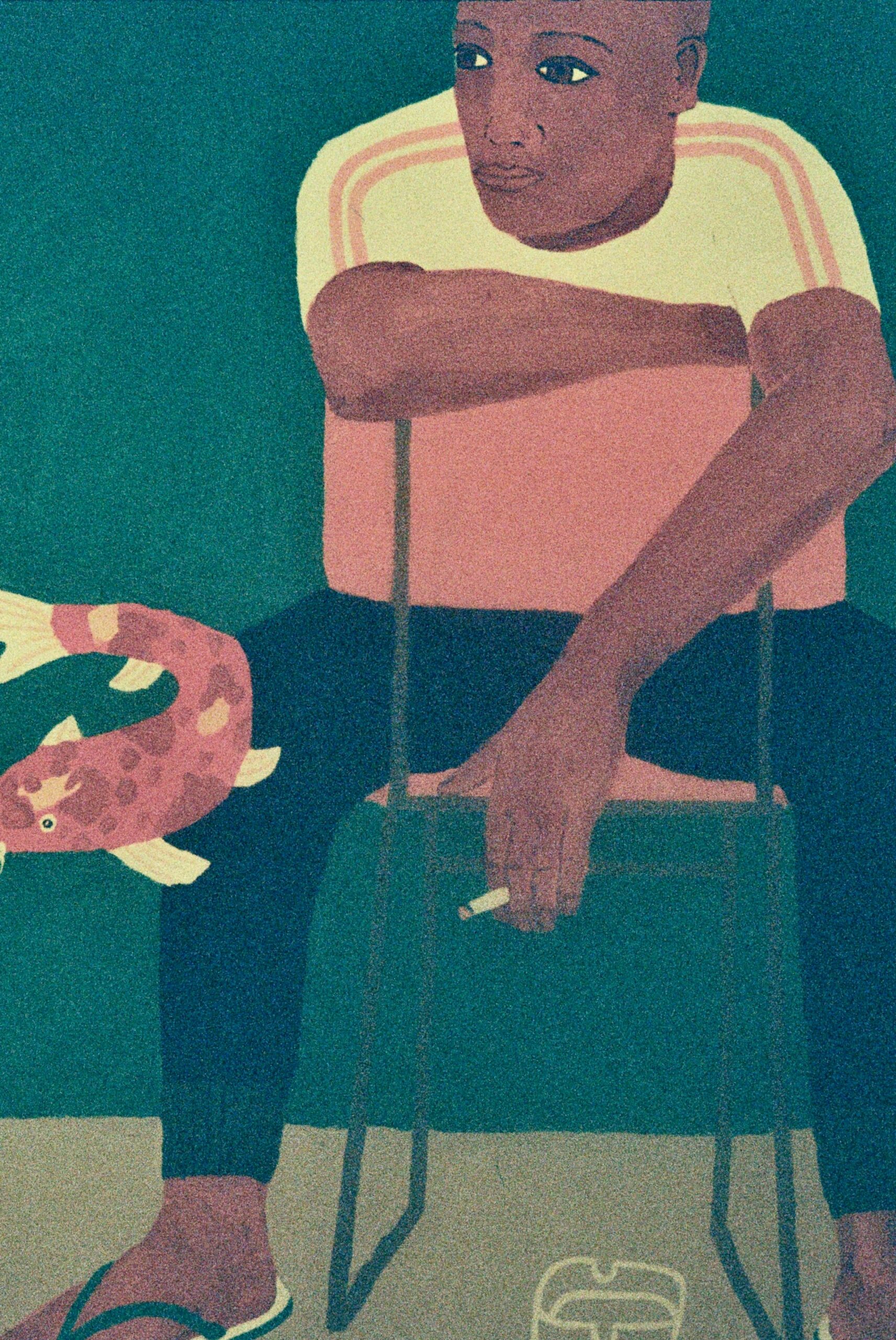
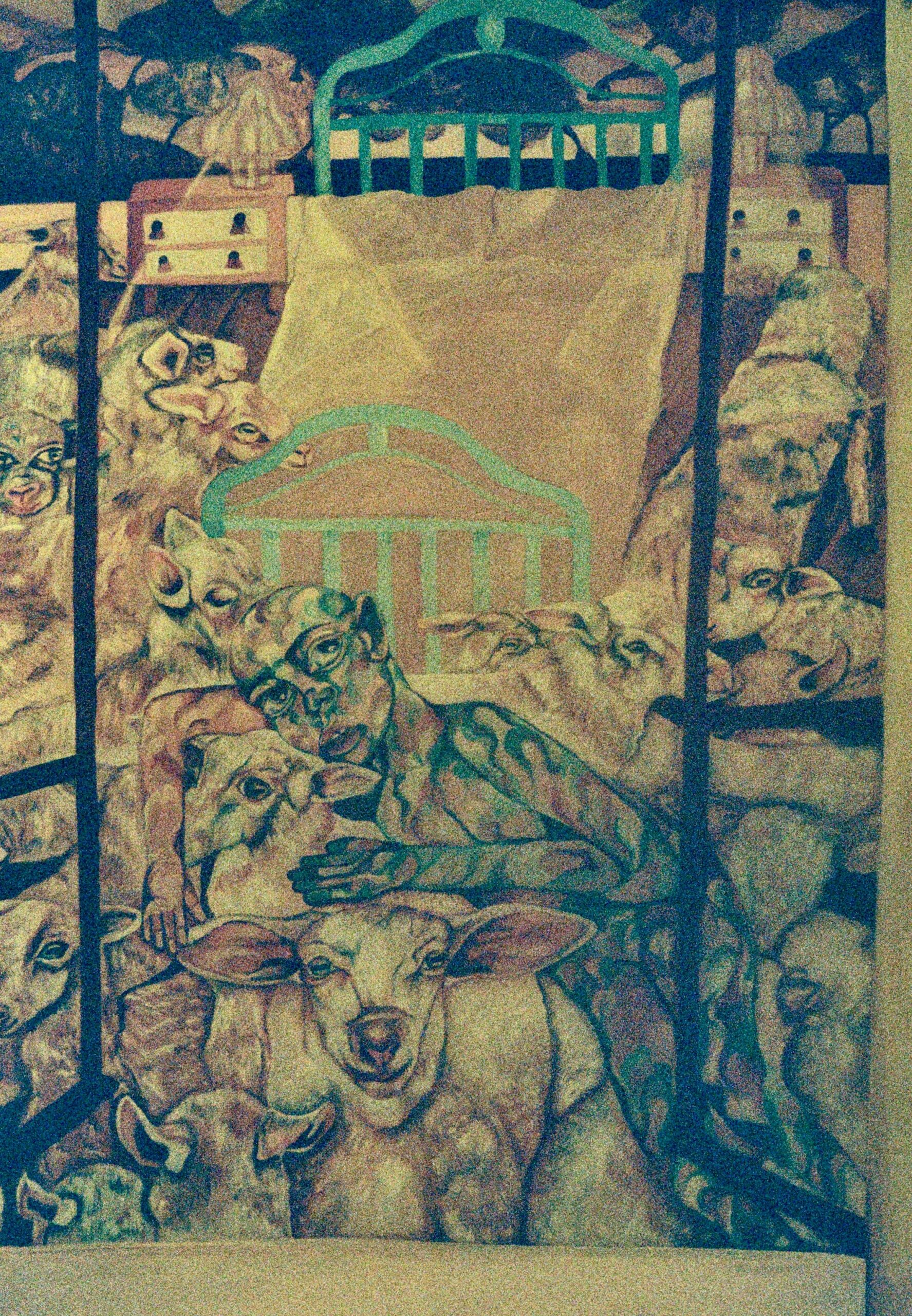
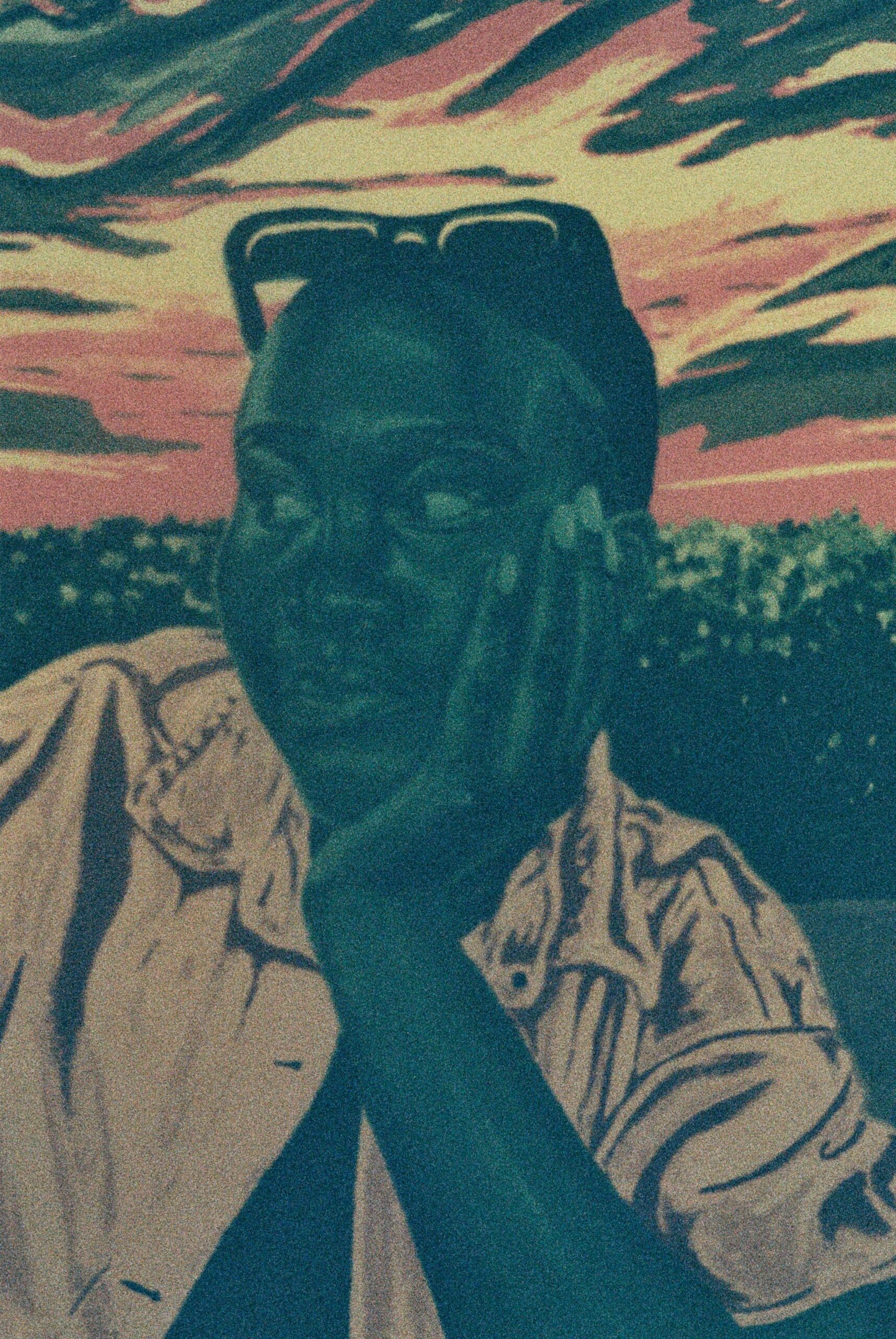
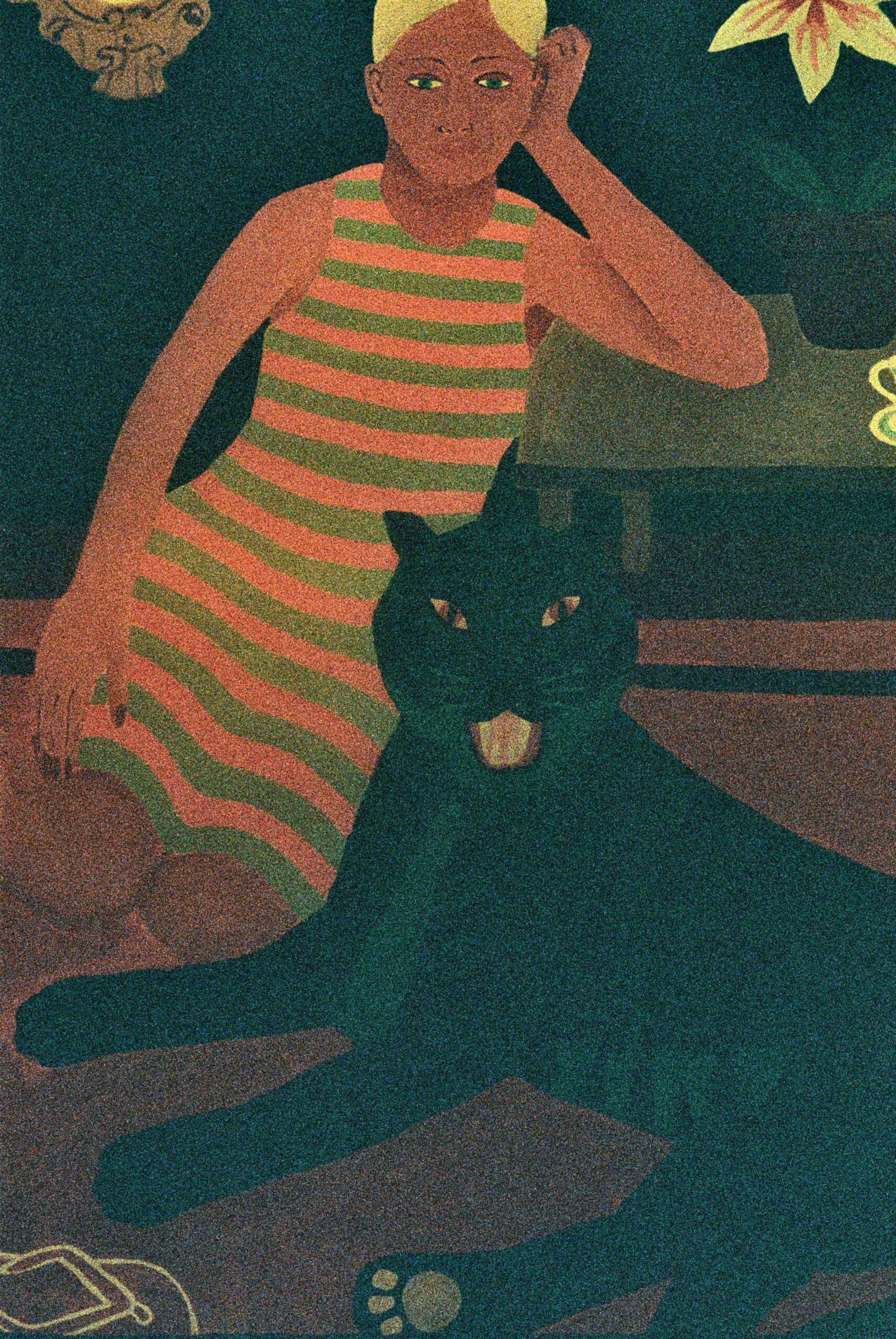
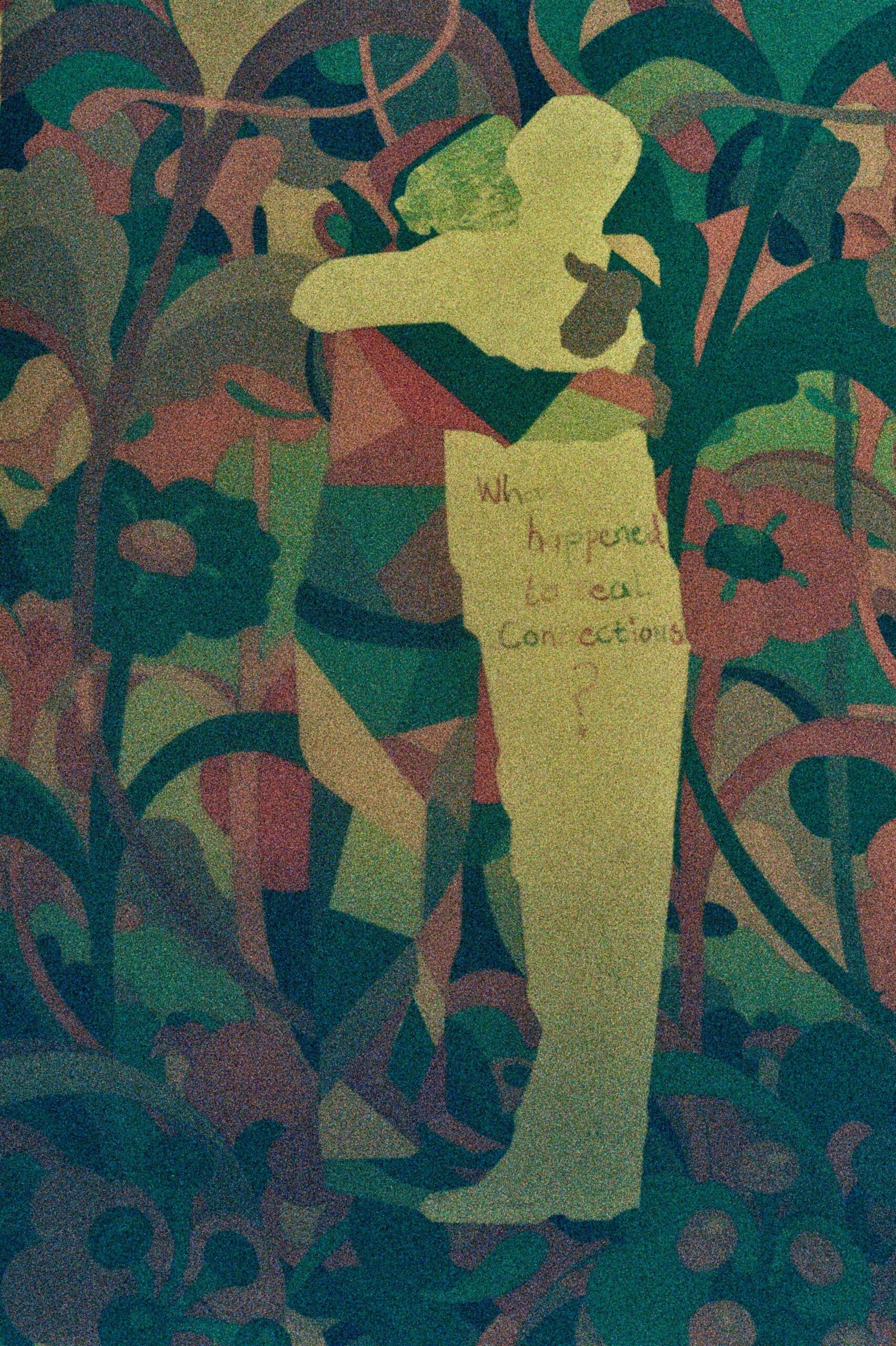
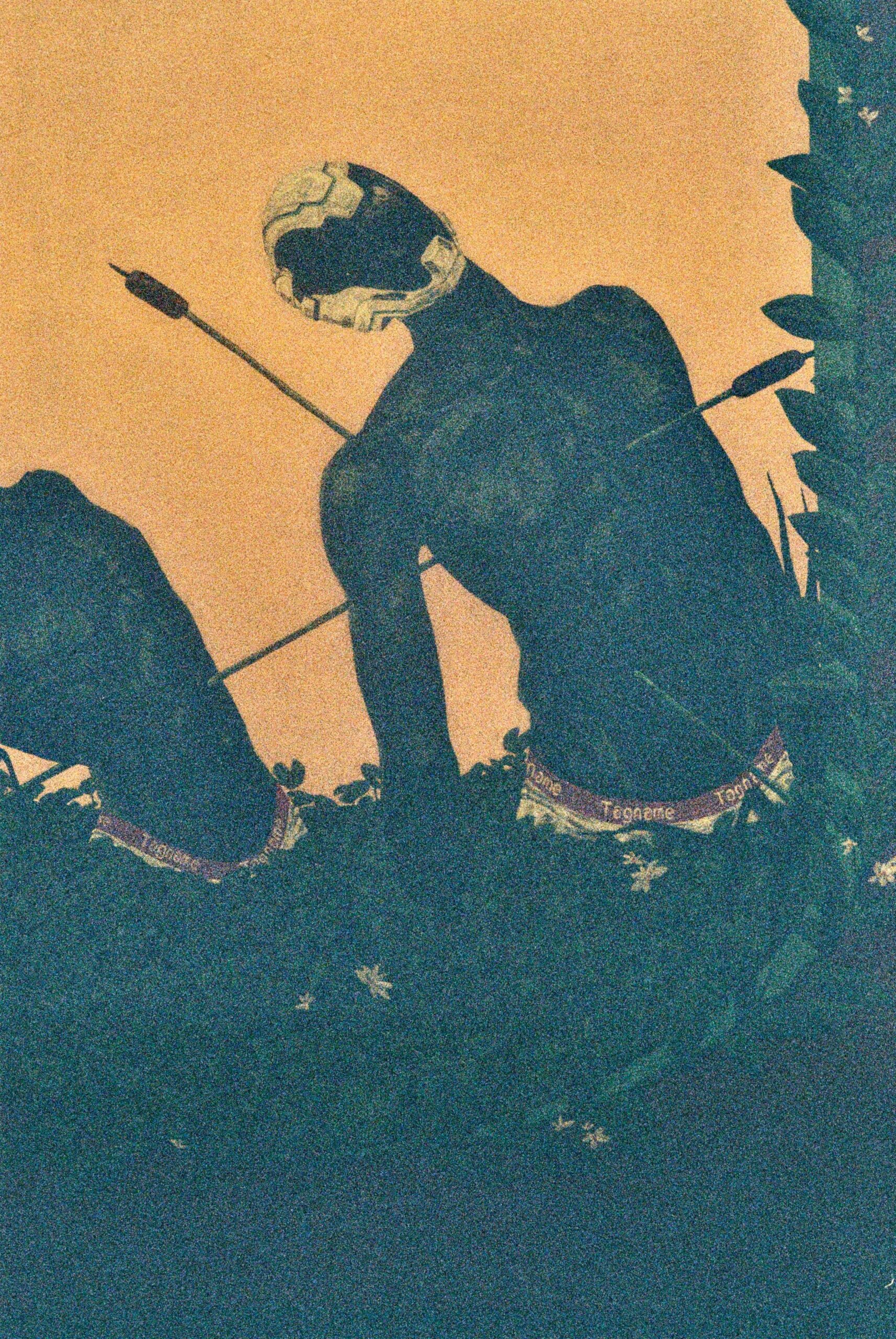
Fourteen limited-edition archival prints by nine South African artists. Colour functioned as the guiding thread, with works arranged through contrast, rhythm, and alignment. Artists includedJason Langa, JP Meyer, Kamva Matuis, Muofhe Manavhela, Mukhetwa Mukinindi, NqobileHlele, Sana King, Sichumile Adam, and Zukhanye Ndlaleni. Visitors moved from immediate visual response into questions around process, selection, and how the platform operates beyond the fair context. Some asked whether originals were available, with the prints often acting as a gateway into interest in acquiring the works themselves.
Founder Perspective: Structure and Roster
For Manavhela, participation at Africa Basel was about building structure around opportunity. The Dealr works with a growing roster of around 35–40 artists, developed through direct outreach and in-person relationships. Artists are invited onto the platform and included in its database, which becomes the foundation for exhibitions and presentations. Most of the Basel selection came from this roster.
Mukhetwa Mukinindi, an external addition, moved easily into the concept — his relatable, text-driven depictions of township life felt at home alongside the roster and drew consistent attention. Manavhela’s curatorial approach responded to context — selecting artists whose work could resonate visually in a Swiss environment while reflecting the diversity of contemporary South African practice on the platform. Four long-term collaborators anchored the base, with artists added around a developing colour logic until the presentation resolved into nine. For Manavhela, Africa Basel confirmed a broader vision — that a digital platform built in SouthAfrica, by artists for artists, can operate within international circuits without losing its grounding.
On the Ground: Experience and Exchange
I was part of the inaugural team at Africa Basel in 2025, and the difference this year was immediate — more open, more spacious, with space for a slower, more sustained gaze. In the quieter moments between visitors, when foot traffic eased, we filmed — capturing the space, the works, and our immediate impressions. We were constantly adjusting and responding to what we were seeing and hearing. We spoke with fellow participants and visitors at the fair, and in between, with each other — about our families, hopes, and dreams, and what it meant to be in Basel as Africans with a shared purpose.
Interaction at the booth was steady and unforced. First-time collectors made entry purchases. Conversations began with curiosity — reading the artworks, sharing stories, asking how the Dealr selected its artists, how the platform works, and what engagement would look like beyond the fair.
Business cards with thumbnail images of the works became unexpected anchors — kept, carried, and referenced long after the encounter, pointing people back to The Dealr’s website. One moment stayed with us — we both noticed an older Swiss couple moving through the fair with quiet purpose. They had clearly dressed with intention for the occasion — matching bright yellow, he in the shoes, she with the handbag. A considered choice, not a coincidence.And that felt true of everyone at Africa Basel — nobody there by accident. Every collector, every artist, every visitor had made a conscious decision to be in the space. Exhibitors and artists came from Congo, Uganda, Morocco, Nigeria, Tanzania, the Dominican Republic, the United States, Zambia, and Zimbabwe, alongside African cultural practitioners with bases across Europe. Visitors to the stand reflected a cross-section of Swiss, French, and German audiences, alongside an international art-world public, with approximately one third being African and African diaspora visitors. Many visitors were initially drawn in through colour before engaging with context.
Manavhela engaged directly with audiences, presenting each of the exhibited artists’ works through their processes and the ideas that shaped the platform.South African visitors were fewer but consistent. In those moments, connecting through the work in a shared context far from home created a familiar sense of excitement.
Looking Forward
Collecting is changing. Younger millennial collectors are making their first purchases online, discovering artists through digital platforms before ever stepping into a gallery. Older collectors are also shifting online, exploring new work at their own pace and on their own terms.
The Dealr is built around this shift — a platform where discovery comes first and collecting follows. It connects artists from Johannesburg, Cape Town, Mzamomhle, Pietermaritzburg and Thohoyandou with global audiences.
For South African artists, this is significant. It opens access beyond traditional gatekeepers through digital platforms, creating direct pathways to international audiences while keeping artists in control of their work and careers.There is more to come. The Dealr’s presentation at Africa Basel was its first global art fair, and the conversations confirmed strong resonance in these spaces. We will be back.